How to Prepare for a Blood Test: A Complete Guide
Blood tests are among the most common medical investigations. They can be used to check blood counts, cholesterol, blood sugar, liver and kidney function, thyroid hormones, vitamins, infections and many other aspects of health.
Although having blood drawn is usually straightforward, preparation can matter. Eating before a test, taking certain medicines or supplements, exercising heavily, becoming dehydrated, or having the sample collected at the wrong time of day can affect some laboratory results.
However, not every blood test requires special preparation. The correct approach depends on which test your doctor has ordered.
This guide explains what to do before a blood test, when fasting may be required, whether you can drink water, and which everyday activities can influence your results.
1. Find Out Which Blood Tests You Are Having
Before worrying about fasting, first check the name of the test or tests ordered.
Common blood tests include:
- Complete blood count (CBC)
- Fasting blood glucose
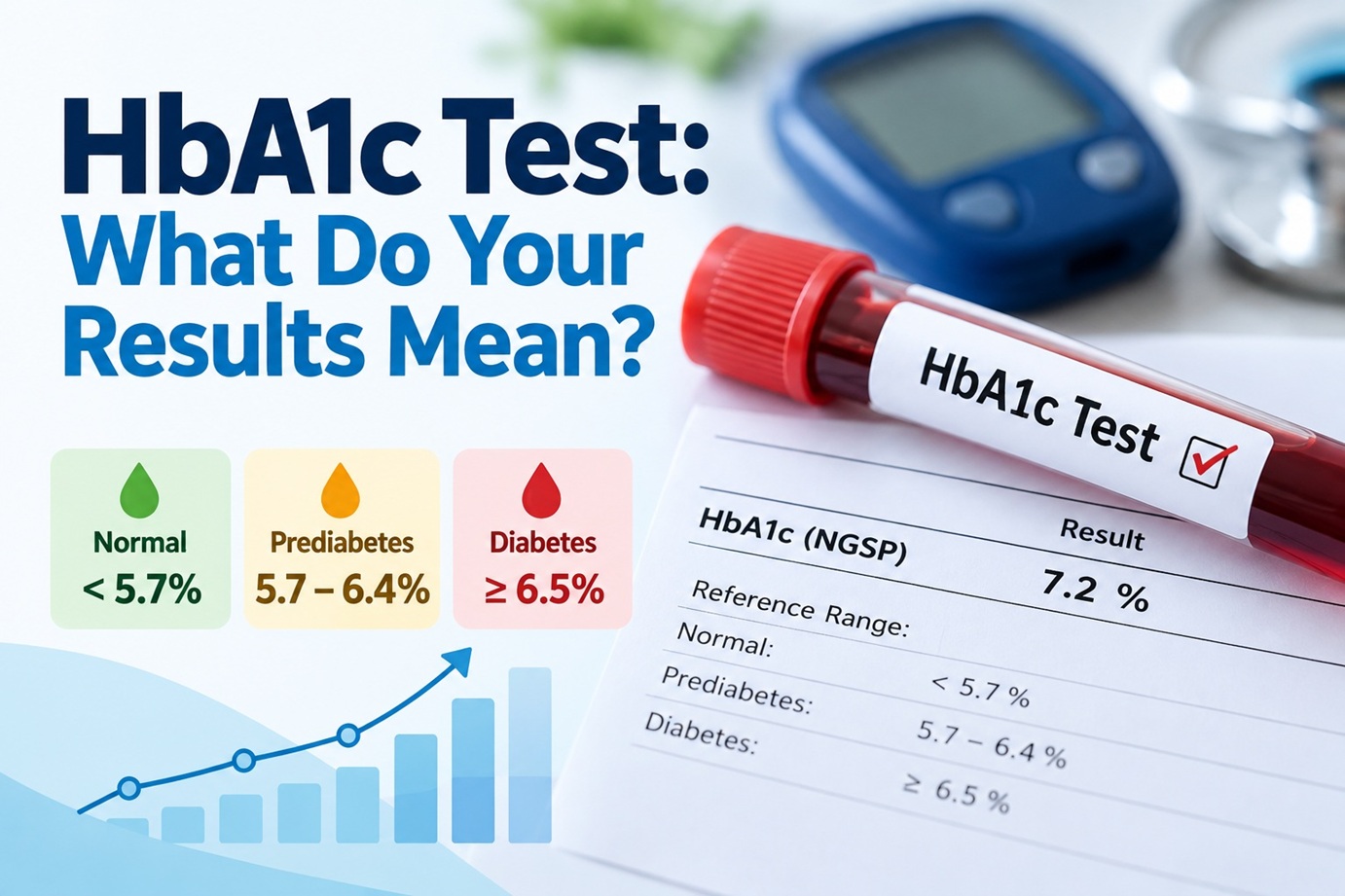
- HbA1c
- Lipid profile
- Liver function tests (LFTs)
- Kidney/renal function tests
- Thyroid tests such as TSH, T3 and T4
- Vitamin D
- Vitamin B12
- Iron studies
- Electrolytes
- Hormone tests
Preparation is not the same for all of these tests.
For example, a routine CBC generally does not require fasting, while your doctor or laboratory may specifically instruct you to fast before certain glucose or lipid measurements.
If several tests are being performed from the same blood sample, preparation may be determined by the test with the strictest requirements.
2. Do You Need to Fast Before a Blood Test?
Only fast when your doctor or laboratory tells you to.
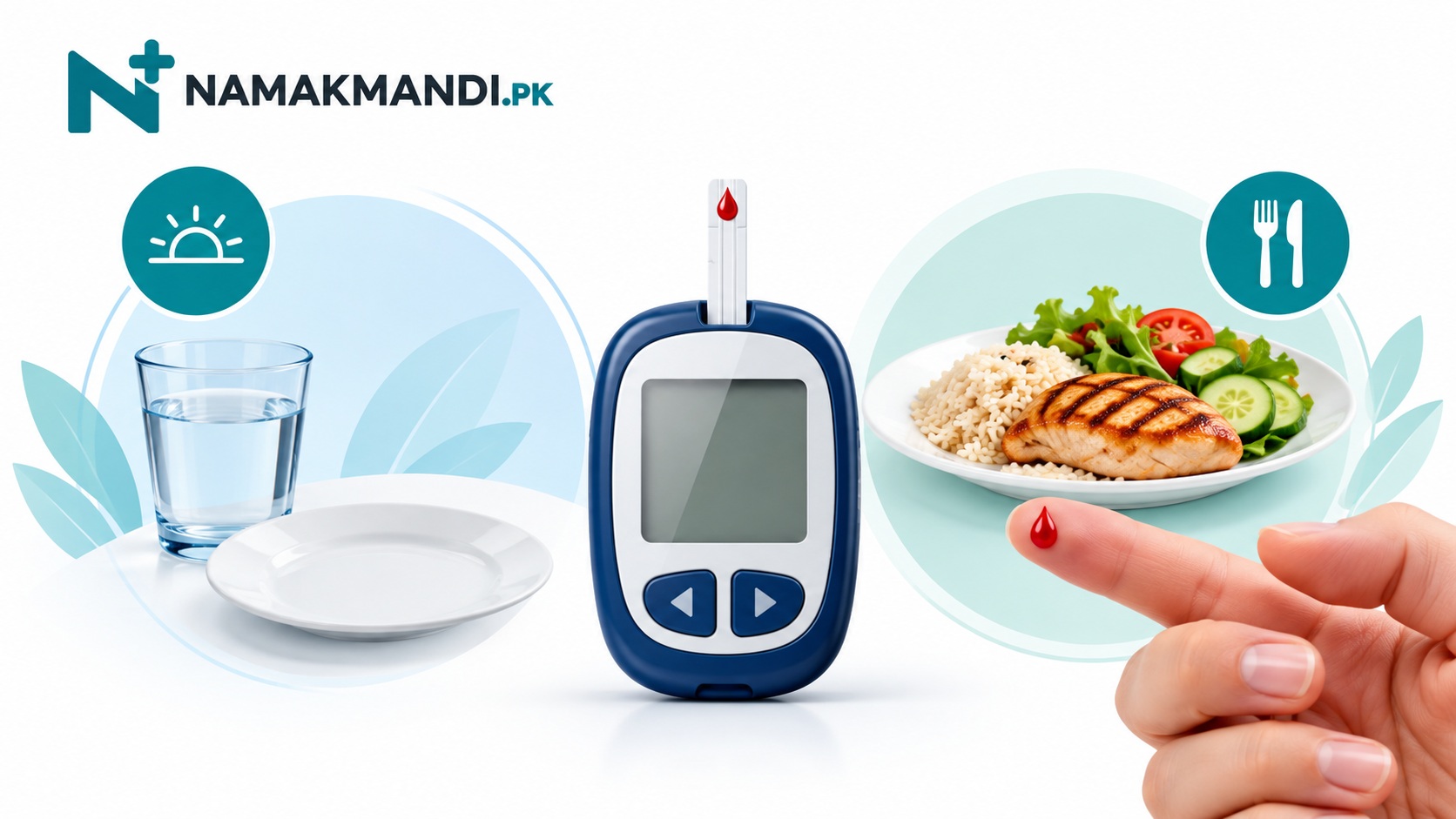
Fasting means avoiding food and certain drinks for a specified period before the blood sample is collected. Depending on the investigation, you may be instructed to fast for approximately 8–12 hours, but you should follow the specific instructions provided for your test.
Tests for which fasting may sometimes be requested include:
- Fasting blood glucose
- Certain lipid/cholesterol tests
- Some metabolic investigations
- Certain specialized blood tests
Many commonly performed tests do not routinely require fasting.
For example, HbA1c measures longer-term blood glucose exposure and does not normally require fasting simply for the HbA1c measurement.
Don’t fast unnecessarily
More fasting is not necessarily better. Unnecessary prolonged fasting can leave you hungry, dehydrated or lightheaded and isn’t required for many laboratory tests.
Follow the instructions for the particular test rather than assuming that every blood test should be done on an empty stomach.
3. Can You Drink Water Before a Blood Test?
For most fasting blood tests, plain water is allowed and is often helpful, unless you have specifically been told to restrict fluids.
Being adequately hydrated can also make veins easier to access during blood collection.
During a fasting period, avoid assuming that other beverages count as water. Depending on the test instructions, you may need to avoid:
- Tea
- Coffee
- Milk
- Juice
- Soft drinks
- Energy drinks
- Sweetened beverages
Even coffee without sugar is not necessarily acceptable for every fasting test.
When the instruction says water only, stick to plain water.
4. What Should You Eat the Day Before?
Most routine blood tests do not require a special diet on the previous day.
A sensible approach is to eat normally unless your healthcare provider has given you specific dietary instructions.
Making an unusually large change to your diet immediately before testing may make some results less representative of your usual state.
If fasting starts overnight, eat your normal evening meal and then begin fasting at the instructed time.
Avoid deliberately eating an extremely heavy meal because you know you will be fasting the following morning.
5. What About Medicines?
This is one of the most important questions to clarify.
Do not stop a prescription medicine simply because you’re having a blood test.
Some medicines need to be taken normally, while others may need to be taken after the sample or adjusted for a particular investigation. Sometimes the purpose of the blood test is specifically to monitor a medicine.
The appropriate instructions depend on:
- The medicine
- The blood test
- Why you take the medicine
- When you normally take it
- Whether the test measures the medicine itself
Ask the prescribing doctor or laboratory if you’re uncertain.
This is particularly important for medicines used for conditions such as diabetes, where fasting while taking glucose-lowering treatment could potentially cause hypoglycemia.
6. Tell Your Doctor About Vitamins and Supplements
Supplements can sometimes affect laboratory testing.
One notable example is biotin (vitamin B7), which is found in some multivitamins and supplements marketed for hair, skin and nails. High biotin intake can interfere with certain laboratory assays and produce misleading results.
Herbal preparations, bodybuilding supplements and other non-prescription products can also be relevant.
Tell your healthcare provider about supplements you use rather than stopping them arbitrarily.
7. Avoid Heavy Exercise Before Certain Tests
A normal daily routine is generally fine, but strenuous exercise can temporarily alter some laboratory measurements.
Intense physical activity can affect markers related to muscles and metabolism and may influence values such as:
- Creatine kinase (CK)
- Lactate
- Certain liver-associated enzymes
- Blood glucose
- Some hormones
If accurate baseline measurements are important, your doctor may ask you to avoid strenuous exercise before testing.
You don’t normally need to spend the previous day resting completely. The important distinction is between ordinary activity and unusually intense exercise.
8. Alcohol Can Affect Some Results
Alcohol can influence several physiological processes and may affect measurements involving the liver, glucose and triglycerides, among others.
If your doctor or laboratory instructs you to avoid alcohol before testing, follow the recommended time period.
If the test is investigating alcohol-related health effects or liver disease, be truthful with your healthcare professional about alcohol consumption. Accurate information helps clinicians interpret results appropriately.
9. Smoking and Nicotine May Matter
Smoking and nicotine can produce physiological changes that may influence certain measurements.
If you have been instructed to undergo a strict fasting test, ask whether smoking, vaping or other nicotine products should also be avoided during the fasting period.
More generally, tell your doctor about smoking when it is relevant to the investigation rather than attempting to temporarily change your usual habits simply to produce a different result.
10. Some Blood Tests Need to Be Done at a Particular Time
Not every blood test can be collected at any convenient time.
Levels of some substances naturally change during the day. Certain hormone tests, for example, may need to be collected in the morning or at another specified time.
Timing can also matter when doctors are measuring the concentration of a medicine in your blood. The sample may need to be collected at a particular interval before or after your dose.
If your request form specifies a collection time, follow it carefully.
11. Get Enough Sleep
One poor night’s sleep will not invalidate most routine blood tests, but sleep deprivation and stress can influence some physiological measurements, including hormones and glucose regulation.
If possible, maintain your usual sleep routine before testing.
There is no need to become anxious about achieving a “perfect” night’s sleep. If something unusual occurred—such as working overnight—it may simply be worth mentioning when clinically relevant.
12. Stay Hydrated
Unless you have been given fluid restrictions for a medical reason, maintaining normal hydration before blood collection is generally helpful.
Dehydration can make blood collection more difficult and can also affect the concentration of certain substances in the blood.
This doesn’t mean drinking several litres of water immediately before the test. Normal hydration is sufficient.
13. What Should You Wear?
Wear clothing that makes it easy to expose your arm.
A loose-fitting shirt or sleeves that can comfortably be rolled above the elbow are usually ideal.
Blood is commonly collected from a vein around the inside of the elbow, so very tight sleeves can make the procedure unnecessarily awkward.
14. What to Bring With You
Depending on the laboratory or hospital, it can be useful to bring:
- Your doctor’s test request/prescription
- Identification if required
- Previous laboratory reports when relevant
- A list of your medicines
- Information about supplements you take
- Any specific instructions provided by your doctor
If you have previously fainted or become dizzy during blood collection, tell the phlebotomist before the procedure.
They can often collect the sample while you are in a safer position.
15. What Happens During a Blood Test?
For most routine tests, the procedure takes only a few minutes.
A healthcare professional usually places a tourniquet around the upper arm, cleans the skin and inserts a sterile needle into a suitable vein. Blood is collected into one or more tubes depending on the tests requested.
After the needle is removed, pressure is applied to the site.
A small amount of bruising or tenderness around the puncture site can occur and usually resolves without treatment.
16. What Should You Do After the Blood Test?
If you were not fasting, you can generally continue your normal routine immediately.
If you were fasting, you can usually eat after the sample has been collected unless you’ve been given different instructions. Bringing a small snack can be useful, particularly if you tend to feel weak after fasting.
Continue applying pressure to the puncture site for the period advised by the person collecting your blood.
If you feel dizzy, sit or lie down rather than immediately walking away.
Common Mistakes Before a Blood Test
A few simple mistakes can cause unnecessary problems:
Fasting when fasting wasn’t required: This can make the experience more uncomfortable without improving the test.
Eating during a required fasting period: Even a small snack can affect some fasting measurements.
Drinking tea or coffee instead of water: A fasting instruction may specifically mean plain water only.
Stopping medicines without asking: This can be medically unsafe and may also interfere with what the doctor is trying to assess.
Taking supplements without mentioning them: Certain supplements can interfere with laboratory assays.
Doing an unusually intense workout beforehand: This can alter some laboratory values.
Ignoring the requested collection time: Certain tests depend on timing.
If you accidentally break your fasting instructions, tell the laboratory rather than hiding it. They can advise whether the test should proceed or be rescheduled.
Quick Blood Test Preparation Checklist
| Before your test | What to do |
|---|---|
| Confirm the test | Know which blood tests have been ordered |
| Fasting | Fast only when specifically instructed |
| Water | Plain water is usually permitted unless instructed otherwise |
| Medicines | Don't stop or change them without medical advice |
| Supplements | Tell your healthcare provider what you take |
| Exercise | Avoid unusually strenuous activity when instructed |
| Alcohol | Follow any restriction given for your test |
| Timing | Attend at the specified time if required |
| Hydration | Maintain normal hydration unless fluids are restricted |
| Previous problems | Tell staff if you tend to faint during blood collection |
Frequently Asked Questions
How many hours should I fast before a blood test?
When fasting is required, instructions commonly specify around 8–12 hours, depending on the test. Follow the exact duration provided by your doctor or laboratory.
Can I drink water while fasting for a blood test?
Usually, plain water is permitted, but follow any specific instructions given to you.
Can I drink tea without sugar?
Don’t assume unsweetened tea is acceptable. If you have been told water only, drink only plain water during the fasting period.
Can I have black coffee before a fasting blood test?
It is safer to avoid coffee when you’ve been specifically instructed to fast unless your healthcare provider says it is permitted.
Do I need to fast for a CBC?
A CBC itself generally does not require fasting. However, if other tests are being collected at the same time, those tests may require fasting.
Do I need to fast for HbA1c?
HbA1c itself does not normally require fasting. Other blood tests ordered alongside it might.
Should I take my morning medicines before a fasting blood test?
It depends on the medicine and the test. Do not skip prescription medicines without instructions from your doctor. Ask beforehand if you’re unsure.
Can I exercise before a blood test?
Ordinary activity is usually fine, but strenuous exercise can temporarily alter certain laboratory measurements. Follow specific instructions if the test requires a resting baseline.
What happens if I accidentally eat before a fasting blood test?
Tell the laboratory before your sample is collected. Depending on the tests ordered and what you consumed, they may proceed or recommend rescheduling.
Final Takeaway
Preparing for a blood test is usually simple: know which test you’re having, follow any fasting instructions, stay normally hydrated and don’t change your medicines without medical advice.
Most importantly, don’t assume every blood test requires fasting. Preparation varies between tests, and following the instructions given by your doctor or laboratory provides the best chance of obtaining results that can be interpreted correctly.
Medical note: This guide provides general information. Preparation requirements can differ according to the test, laboratory method, medicines and individual medical circumstances. Always follow the specific instructions provided by your doctor or laboratory.