HbA1c Test: What Do Your Results Mean?
The HbA1c test, also called the glycated haemoglobin test or A1c test, is one of the most commonly used blood tests for diagnosing and monitoring diabetes. Unlike a fasting blood sugar test, which measures glucose at a particular moment, HbA1c provides an estimate of your average blood sugar levels over approximately the past two to three months.
If your HbA1c result is 5.7%, 6.5%, 7% or higher, understanding what that number means can help you make informed decisions about your health.
This guide explains normal HbA1c levels, prediabetes and diabetes ranges, how the test works, and when you may need further medical evaluation.
What Is an HbA1c Test?
HbA1c stands for haemoglobin A1c. Haemoglobin is a protein found in red blood cells that carries oxygen throughout the body.
When glucose circulates in the bloodstream, some of it attaches to haemoglobin. This process is known as glycation. The higher your blood glucose levels, the greater the proportion of haemoglobin that becomes glycated.
Because red blood cells typically circulate for around 120 days, the HbA1c test reflects average blood glucose exposure over approximately two to three months, with more recent weeks having a greater influence on the result.
The test is used to:
- Screen for prediabetes.
- Help diagnose type 2 diabetes.
- Monitor long-term blood sugar control in people with diabetes.
- Assess how well a diabetes treatment plan is working.
- Help healthcare professionals make decisions about diabetes management.
An HbA1c result is expressed as a percentage (%).
HbA1c Normal Range: Understanding Your Results
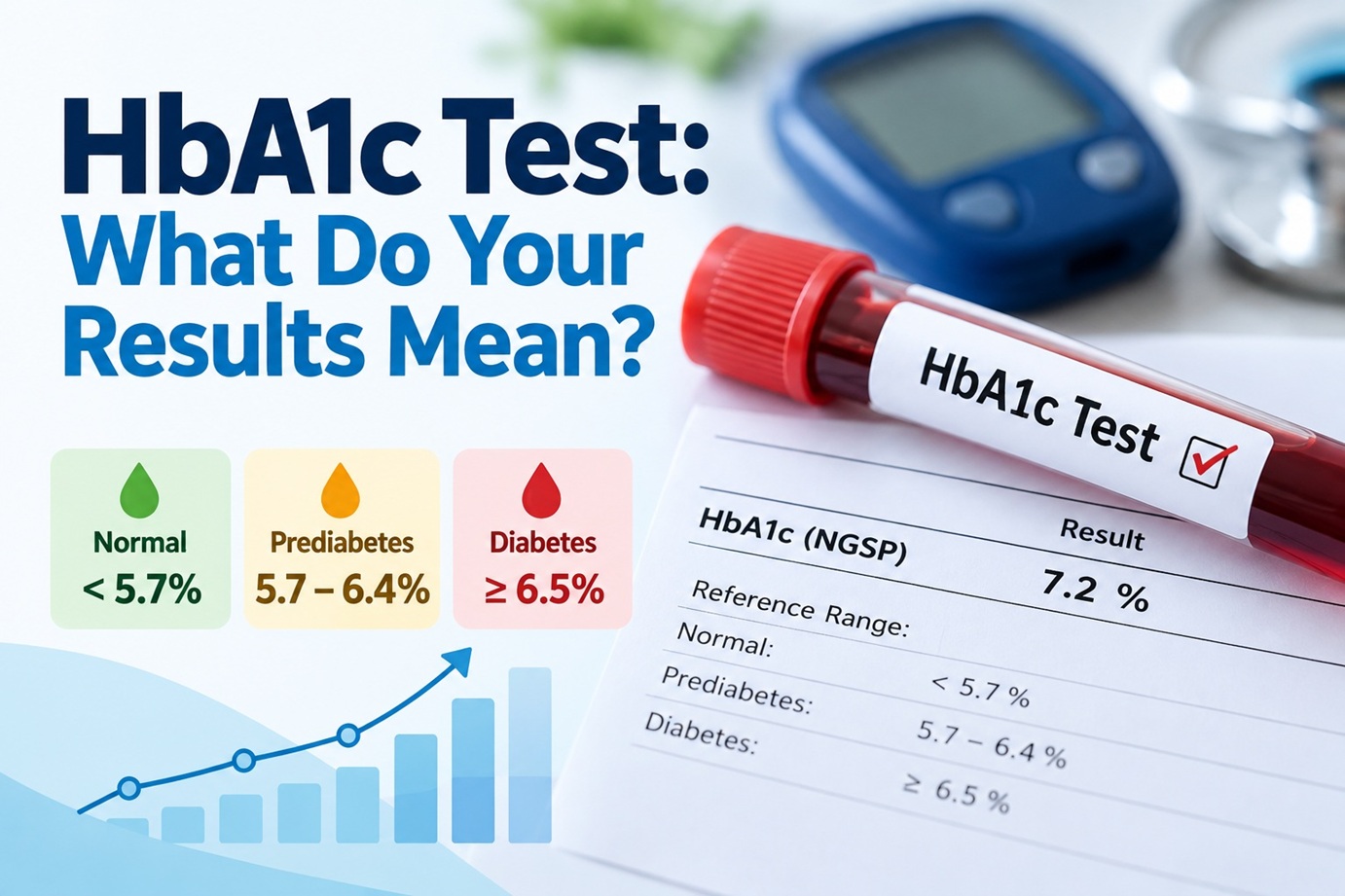
For most non-pregnant adults, the following HbA1c ranges are used when screening for or diagnosing diabetes.
| HbA1c Result | Interpretation |
|---|---|
| Below 5.7% | Normal range |
| 5.7%–6.4% | Prediabetes |
| 6.5% or higher | Diabetes range |
Important: An HbA1c result of 6.5% or higher generally requires confirmation with another laboratory test unless there is clear evidence of hyperglycemia. The result should be interpreted by a healthcare professional.
These diagnostic categories are different from the treatment targets used for someone who already has diabetes.
What Does an HbA1c Below 5.7% Mean?
An HbA1c below 5.7% is considered within the normal diagnostic range for most adults.
It generally suggests that average blood glucose levels have not been persistently elevated into the prediabetes or diabetes range.
However, a normal HbA1c does not completely exclude diabetes in every situation. Certain medical conditions can affect the reliability of the result, and blood glucose may sometimes rise after meals despite a relatively normal HbA1c.
What Does an HbA1c of 5.7% to 6.4% Mean?
An HbA1c between 5.7% and 6.4% falls within the prediabetes range.
Prediabetes means blood glucose levels are higher than normal but have not reached the diagnostic threshold for diabetes.
People with prediabetes have an increased risk of developing type 2 diabetes, although progression is not inevitable.
Lifestyle changes, including regular physical activity, dietary improvements and weight management when appropriate, can reduce that risk.
What Does an HbA1c of 6.5% or Higher Mean?
An HbA1c of 6.5% or higher is within the diagnostic range for diabetes.
For example, an HbA1c of 7.2% suggests that blood glucose levels have been elevated over recent months.
However, a single abnormal result does not always establish a diagnosis. If a person has no clear symptoms, a repeat HbA1c or another diagnostic blood glucose test is generally required.
HbA1c Levels and Estimated Average Blood Sugar
HbA1c percentages can also be converted into an estimated average glucose (eAG), expressed in mg/dL.
This makes it easier to compare HbA1c results with the glucose readings commonly displayed on home blood glucose meters in Pakistan.
| HbA1c | Estimated Average Glucose (mg/dL) |
|---|---|
| 5.0% | 97 |
| 5.5% | 111 |
| 6.0% | 126 |
| 6.5% | 140 |
| 7.0% | 154 |
| 7.5% | 169 |
| 8.0% | 183 |
| 9.0% | 212 |
| 10.0% | 240 |
| 11.0% | 269 |
| 12.0% | 298 |
These figures are estimates, not exact measurements of a person’s glucose level throughout the day.
For example, an HbA1c of 7% corresponds to an estimated average glucose of approximately 154 mg/dL. This does not mean the person’s blood sugar remains at 154 mg/dL all day. Actual readings may fluctuate considerably before and after meals, during exercise and overnight.
What Is a Good HbA1c Level for Someone With Diabetes?
For many non-pregnant adults who already have diabetes, an HbA1c target below 7% is commonly recommended.
However, the most appropriate target depends on individual circumstances.
A healthcare professional may recommend a different target based on:
- Age and overall health.
- Duration of diabetes.
- Risk of low blood sugar (hypoglycemia).
- Heart, kidney or other medical conditions.
- Current diabetes medicines.
- Pregnancy or plans for pregnancy.
- Individual treatment goals.
Some people may benefit from a lower target if it can be achieved safely, while others may require a less stringent target to reduce treatment-related risks.
An HbA1c of 7% should therefore not automatically be considered either satisfactory or unsatisfactory without understanding the patient’s medical circumstances.
HbA1c vs Fasting Blood Sugar: What’s the Difference?
Both HbA1c and fasting blood sugar tests are used in diabetes assessment, but they measure different aspects of blood glucose.
| Feature | HbA1c Test | Fasting Blood Sugar Test |
|---|---|---|
| What it measures | Average glucose exposure over approximately 2–3 months | Blood glucose at the time of testing |
| Fasting required | Usually no | At least 8 hours |
| Result expressed as | Percentage (%) | mg/dL |
| Prediabetes range | 5.7%–6.4% | 100–125 mg/dL |
| Diabetes threshold | 6.5% or higher | 126 mg/dL or higher |
| Common purpose | Diagnosis and long-term monitoring | Diagnosis and current fasting glucose assessment |
HbA1c and fasting blood sugar results do not always agree. When there is a significant difference, a doctor may recommend additional testing.
For a detailed comparison of glucose tests, read our guide on Fasting Blood Sugar vs Random Blood Sugar.
Do You Need to Fast Before an HbA1c Test?
No. Fasting is generally not required for an HbA1c test.
You can usually have the test performed at any time of the day, regardless of when you last ate.
However, if your doctor has ordered other investigations at the same time, such as fasting blood glucose or a lipid profile, you may be asked to fast.
Follow the laboratory’s instructions for all tests included in your prescription.
Can HbA1c Results Be Incorrect or Misleading?
Yes. Although HbA1c is useful, certain conditions can make the result less reliable.
These include:
Anaemia and iron deficiency: Iron-deficiency anaemia can sometimes cause falsely elevated HbA1c results, while conditions that shorten red blood cell survival may produce falsely low results.
Recent blood loss or transfusion: Significant bleeding or a recent blood transfusion can affect HbA1c interpretation.
Haemoglobin disorders: Conditions such as thalassaemia and certain haemoglobin variants may interfere with some HbA1c testing methods.
Kidney disease: Advanced kidney disease, particularly when associated with anaemia or its treatment, can affect the accuracy of HbA1c.
Pregnancy: Changes in red blood cell turnover and glucose metabolism can make HbA1c less suitable for diagnosing gestational diabetes.
Recent changes in blood glucose: HbA1c may not fully reflect a sudden improvement or deterioration in glucose control because it represents an average over several weeks.
When HbA1c is unreliable, doctors may use fasting plasma glucose, an oral glucose tolerance test, glucose monitoring or other assessments.
Why Might HbA1c Remain High Despite Normal Fasting Sugar?
Some people have relatively normal fasting glucose readings but an elevated HbA1c.
Possible explanations include:
- High blood sugar after meals.
- Glucose fluctuations at other times of the day.
- Incomplete information from occasional home glucose readings.
- Recent changes in diabetes treatment.
- Conditions affecting HbA1c accuracy.
For example, a person may record fasting glucose readings close to 100 mg/dL but experience substantial increases after lunch or dinner.
A doctor may recommend checking post-meal glucose or using continuous glucose monitoring when appropriate.
How Often Should You Have an HbA1c Test?
The frequency depends on whether you have diabetes and how stable your blood glucose control is.
For people with diagnosed diabetes:
- Approximately every 3 months: Often recommended when treatment has changed or blood sugar targets are not being achieved.
- Approximately every 6 months: May be sufficient when blood sugar control is stable and treatment goals are being met.
People with prediabetes may be advised to repeat testing approximately once a year, although the interval can vary according to their risk factors.
For adults with normal results, repeat screening depends on age, medical history and diabetes risk.
How Can You Improve Your HbA1c Level?
Reducing an elevated HbA1c generally requires consistent blood glucose management over time.
1. Review Your Daily Diet
Focus on balanced meals, appropriate portions and reducing frequent consumption of sugary drinks and highly refined carbohydrates.
Foods commonly eaten in Pakistan, including roti, rice and potatoes, do not necessarily need to be eliminated. Portion size, preparation and the overall meal composition matter.
2. Stay Physically Active
Regular walking, cycling or other suitable exercise can improve insulin sensitivity and help the body use glucose more effectively.
Many adults benefit from working towards at least 150 minutes of moderate-intensity physical activity per week, according to their health and abilities.
3. Take Prescribed Medicines Consistently
If you have diabetes, take your prescribed medicines as directed.
Medicines such as metformin and glimepiride may be used in type 2 diabetes, depending on individual treatment requirements.
Do not change your dosage based solely on one HbA1c result.
4. Monitor Your Blood Sugar
Home glucose monitoring may help identify patterns, especially when readings rise after meals or fall too low.
The appropriate monitoring schedule depends on the medicines you take and your doctor’s recommendations.
5. Attend Regular Follow-Up Appointments
Diabetes management involves more than blood sugar alone. Blood pressure, kidney health, cholesterol, eye health and foot care are also important.
Regular medical reviews can help identify complications and adjust treatment when necessary.
When Should You Consult a Doctor?
Consider consulting a qualified healthcare professional if:
- Your HbA1c is 5.7% or higher and you have not previously been evaluated for diabetes.
- Your HbA1c is 6.5% or higher.
- Your HbA1c remains above your individual treatment target.
- Your fasting glucose and HbA1c results differ considerably.
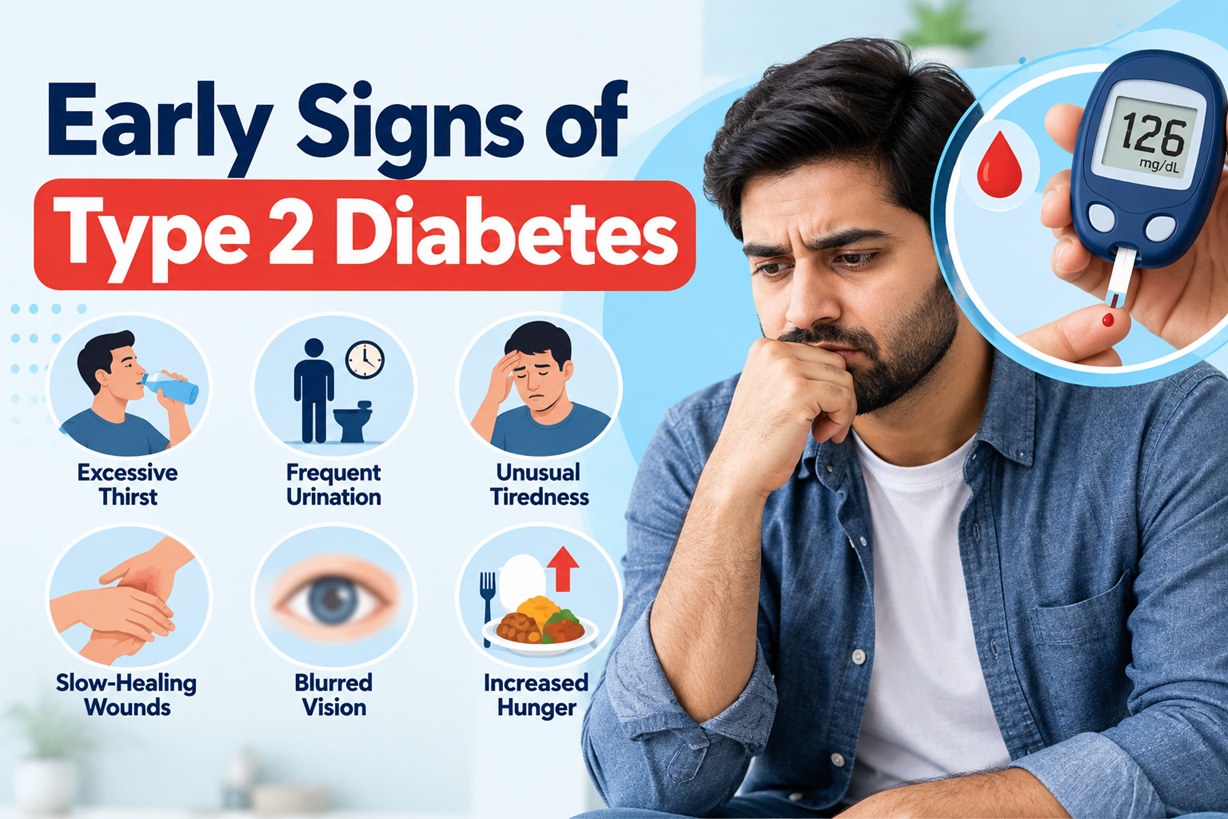
- You experience excessive thirst, frequent urination, unexplained weight loss or persistent fatigue.
- You experience repeated episodes of low blood sugar while taking diabetes medicines.
Seek urgent medical care if high blood sugar is accompanied by vomiting, abdominal pain, deep or rapid breathing, severe dehydration or confusion.
Frequently Asked Questions
Is an HbA1c of 6% normal?
An HbA1c of 6% falls within the prediabetes range for most non-pregnant adults who have not been diagnosed with diabetes. It indicates an increased risk of developing type 2 diabetes.
Is an HbA1c of 7% dangerous?
An HbA1c of 7% indicates an estimated average glucose of approximately 154 mg/dL. For someone with diagnosed diabetes, this may be close to their individual treatment target. For someone without a previous diabetes diagnosis, it is within the diabetes range and requires medical evaluation.
Can HbA1c be reduced in three months?
Yes. HbA1c can improve over approximately three months when average blood glucose levels decrease through effective treatment and lifestyle changes. The amount of improvement varies.
Is HbA1c more accurate than fasting blood sugar?
Neither test is universally better. HbA1c reflects longer-term glucose exposure, while fasting blood sugar measures glucose at a particular time. Both have advantages and limitations.
Can I drink water before an HbA1c test?
Yes. Drinking plain water is generally allowed because fasting is not required for an HbA1c test.
Can stress affect HbA1c?
Persistent stress may indirectly influence HbA1c by affecting blood glucose levels, sleep, eating patterns and diabetes management. A single stressful day usually has little effect on the overall result.
Can someone have diabetes with a normal HbA1c?
Yes. In some circumstances, HbA1c may not accurately reflect glucose levels. Additional blood glucose testing may be needed if symptoms or other results suggest diabetes.
Conclusion
The HbA1c test provides valuable information about average blood glucose levels over the previous two to three months. Results below 5.7% are generally considered normal, 5.7% to 6.4% indicate prediabetes, and 6.5% or higher falls within the diabetes range.
For people already living with diabetes, HbA1c is also an important tool for monitoring treatment progress. However, the ideal target is not the same for everyone.
Understanding your HbA1c result, reviewing it alongside other blood glucose measurements and following appropriate medical advice can support better long-term diabetes management.
Medical disclaimer: This article is intended for general educational purposes and does not replace medical diagnosis, treatment or advice from a qualified healthcare professional.