Fasting Blood Sugar vs Random Blood Sugar: What’s the Difference?
Blood sugar tests are among the most commonly performed medical investigations in Pakistan. Whether you are undergoing a routine health checkup, experiencing symptoms of diabetes or monitoring an existing condition, your doctor may recommend a fasting blood sugar (FBS) or random blood sugar (RBS) test.
Both tests measure glucose in your blood, but they are performed under different conditions and their results are interpreted differently.
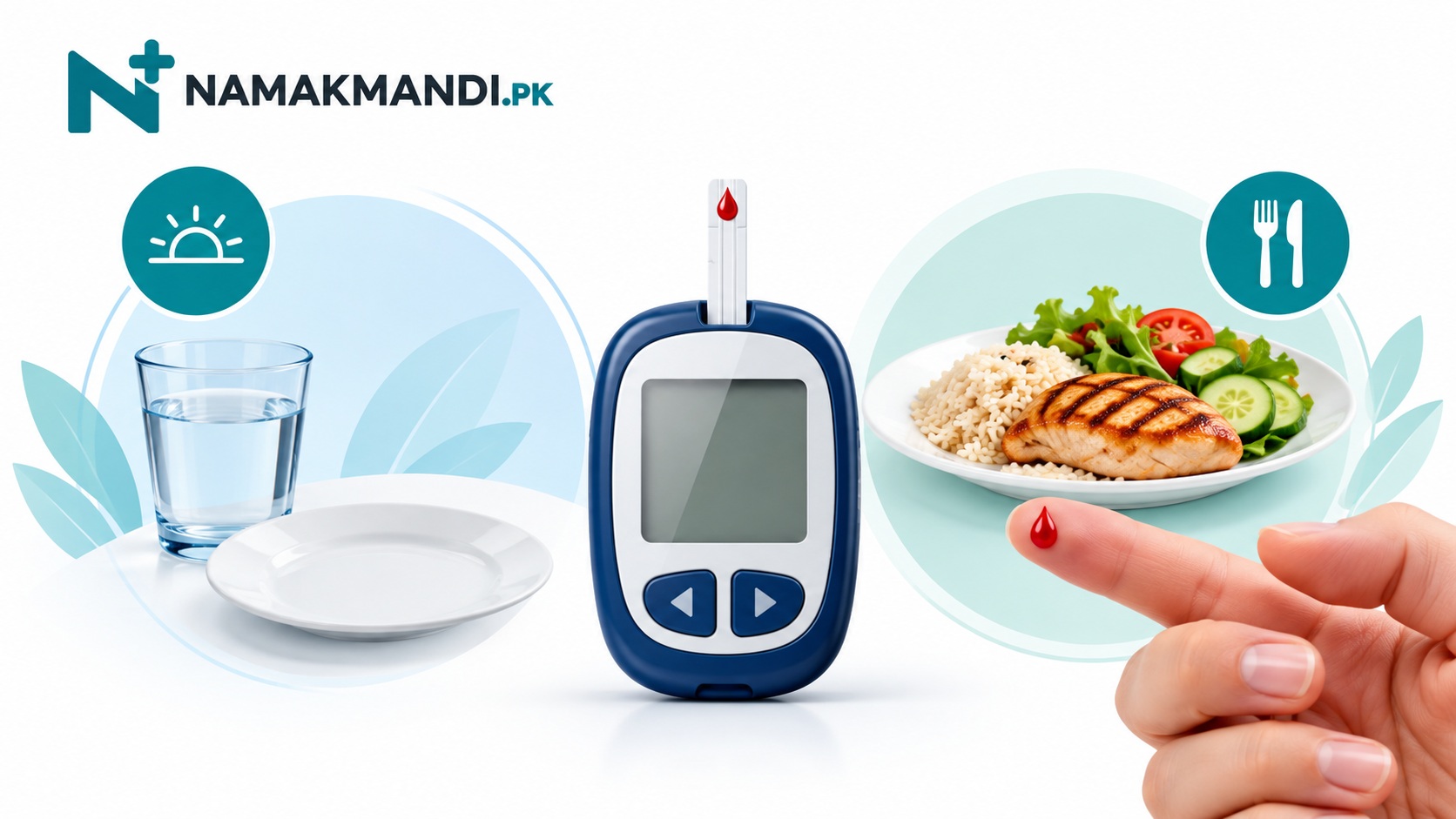
The main difference is that fasting blood sugar is measured after at least eight hours without calories, while random blood sugar can be measured at any time, regardless of when you last ate.
Understanding these differences can help you interpret your laboratory report, recognize potentially abnormal results and know when further testing may be necessary.
What Is a Fasting Blood Sugar (FBS) Test?
A fasting blood sugar test, also called a fasting plasma glucose (FPG) test, measures the amount of glucose in your blood after you have not consumed any food or calorie-containing drinks for at least eight hours.
During fasting, your body continues to maintain blood glucose through processes involving the liver and several hormones, including insulin and glucagon.
The test helps doctors assess how effectively your body regulates glucose without the immediate influence of a recent meal.
Normal Fasting Blood Sugar Levels
For nonpregnant adults, the commonly used diagnostic ranges are:
| Fasting plasma glucose | Interpretation |
|---|---|
| Below 100 mg/dL | Normal |
| 100–125 mg/dL | Prediabetes range |
| 126 mg/dL or higher | Diabetes range; confirmation usually required |
A fasting result of 126 mg/dL or higher may indicate diabetes, but diagnosis generally requires confirmation through repeat or additional laboratory testing unless there is unequivocal hyperglycemia.
These values are diagnostic thresholds, not necessarily the treatment targets for someone already living with diabetes.
What Is a Random Blood Sugar (RBS) Test?
A random blood sugar test measures blood glucose at any time of the day, without requiring fasting.
You can have the test before or after a meal, although recent food intake, physical activity, illness, medications and other factors can influence the result.
Random blood sugar testing is particularly useful when a person develops symptoms suggestive of diabetes and an immediate glucose measurement is needed.
What Is a Normal Random Blood Sugar Level?
Unlike fasting blood sugar, random glucose does not have a single universally accepted normal diagnostic range because glucose levels change throughout the day.
A random plasma glucose level of 200 mg/dL or higher, together with classic symptoms of hyperglycemia or a hyperglycemic crisis, can establish a diagnosis of diabetes.
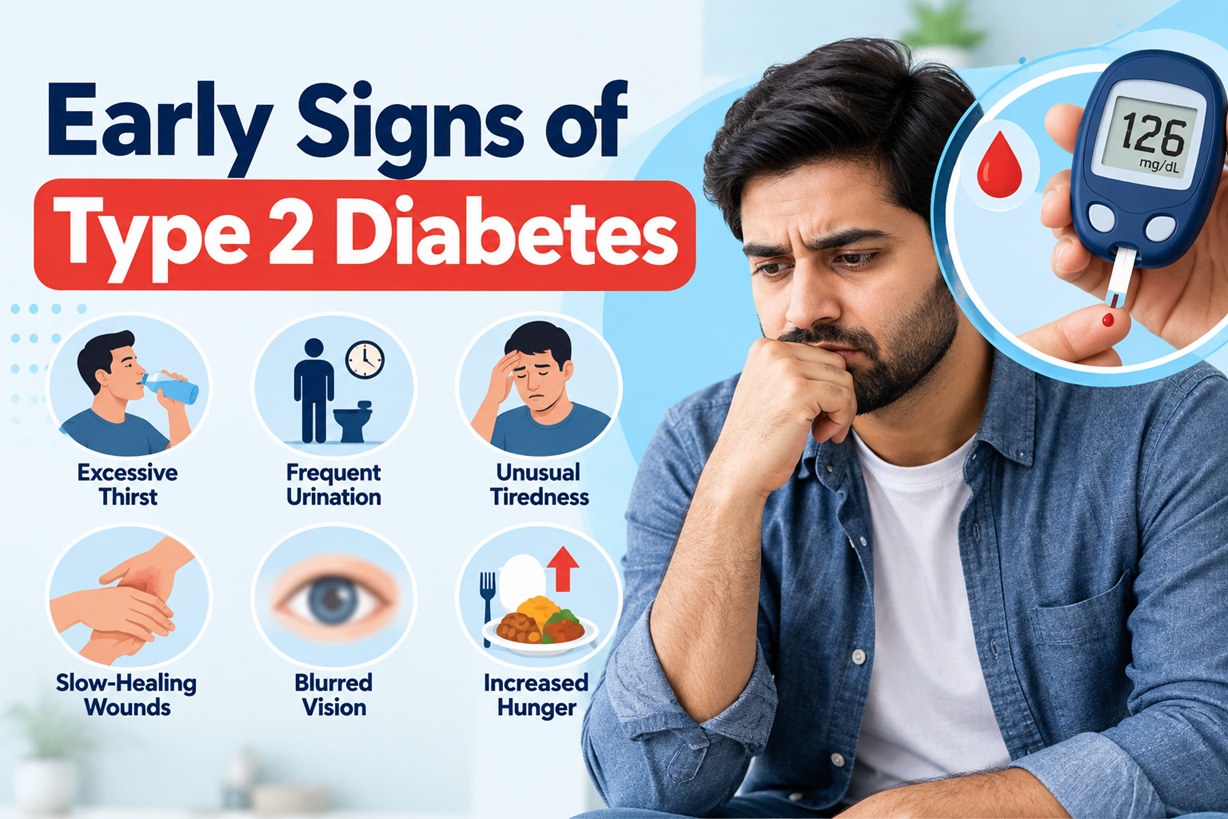
Classic symptoms include frequent urination, excessive thirst and unexplained weight loss.
A random result below 200 mg/dL does not automatically rule out diabetes, particularly when symptoms or risk factors are present.
Fasting Blood Sugar vs Random Blood Sugar: Key Differences
| Feature | Fasting Blood Sugar (FBS) | Random Blood Sugar (RBS) |
|---|---|---|
| Fasting required | Yes, at least 8 hours | No |
| Timing | Usually morning for convenience | Any time |
| Food before test | No calories during fasting | Meals allowed |
| Main purpose | Diabetes screening and diagnosis | Immediate glucose assessment; diagnosis in specific circumstances |
| Normal diagnostic threshold | Below 100 mg/dL | No single universal cutoff |
| Prediabetes threshold | 100–125 mg/dL | Not established |
| Diabetes threshold | 126 mg/dL or higher, usually confirmed | 200 mg/dL or higher with classic symptoms or hyperglycemic crisis |
| Sample for formal diagnosis | Laboratory venous plasma | Laboratory venous plasma |
Both tests are useful, but one cannot always replace the other.
Which Test Is Better for Detecting Diabetes?
For routine diabetes screening in someone without symptoms, fasting plasma glucose is generally more informative than a single random glucose measurement because it has established diagnostic thresholds.
However, fasting blood sugar is not the only diagnostic test.
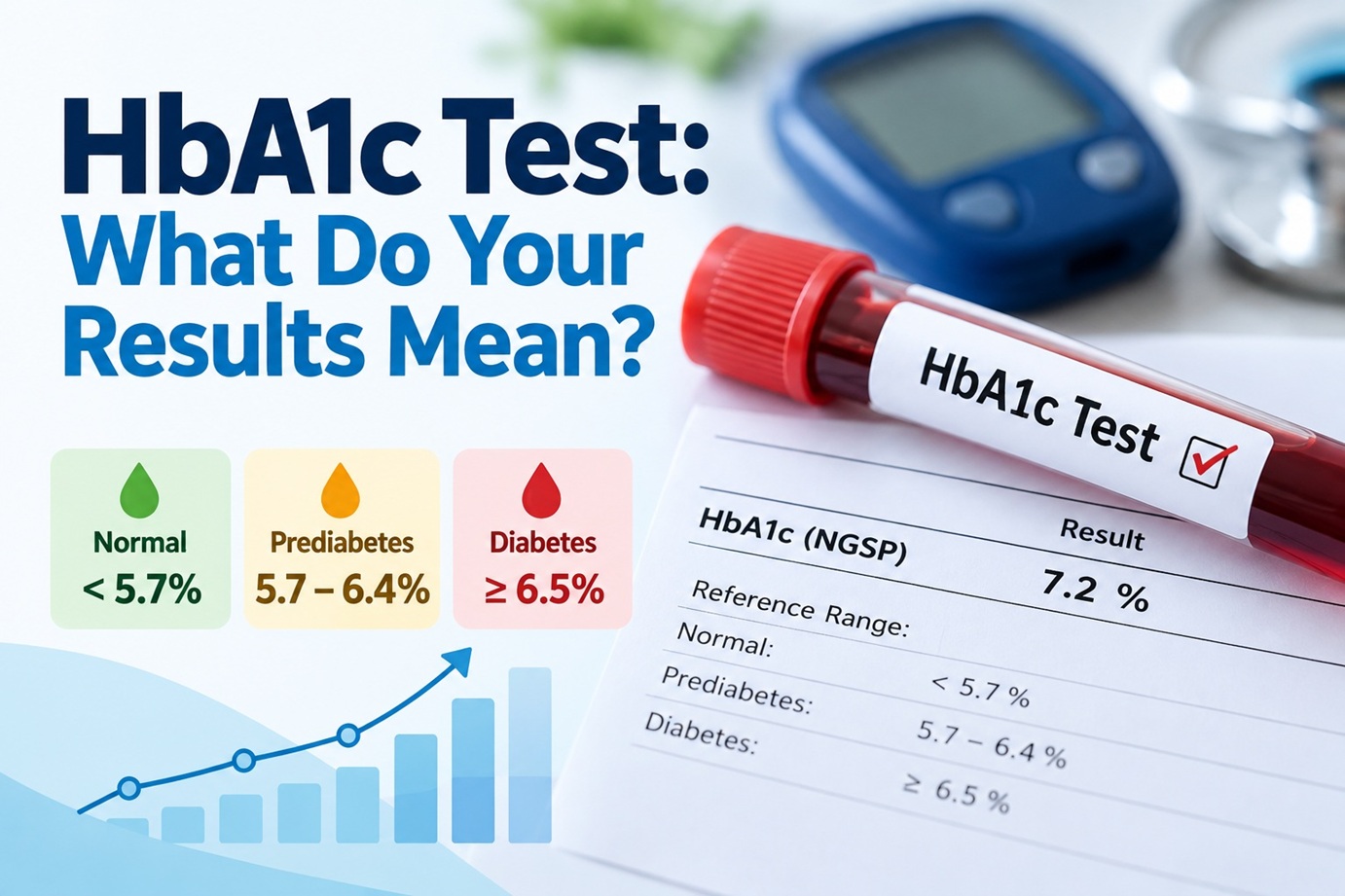
Doctors may also recommend an HbA1c test, which reflects average blood glucose over approximately the previous two to three months, or a 75-gram oral glucose tolerance test (OGTT).
The most appropriate investigation depends on symptoms, risk factors, pregnancy status and medical history.
For example, a patient with increased thirst, frequent urination and unexplained weight loss may need immediate random glucose testing rather than waiting until the next morning for a fasting sample.
How to Prepare for a Fasting Blood Sugar Test
Correct preparation is important because eating or drinking calories before the test can affect the result.
-
Fast for at least eight hours before the blood sample.
-
Drink plain water if needed.
-
Avoid tea, coffee with milk or sugar, juice and other calorie-containing drinks.
-
Inform your doctor or laboratory about your regular medicines.
-
Do not stop prescribed medicines or change insulin doses without medical instructions.
-
Tell the healthcare professional if you are ill, pregnant or have experienced symptoms of low blood sugar.
Fasting overnight is often convenient because the blood sample can be collected in the morning before breakfast.
People who use insulin or medicines that can cause hypoglycemia should obtain specific instructions before fasting.
Can You Drink Water Before a Fasting Blood Sugar Test?
Yes. Plain water is generally allowed and does not break the fast required for a fasting blood glucose test.
Drinking water may also make blood collection easier by helping maintain hydration.
However, beverages containing sugar, milk, cream or other calories should be avoided during the fasting period.
What Can Affect Blood Sugar Test Results?
Blood glucose levels are influenced by more than food intake.
Several factors may temporarily increase or decrease blood sugar, including:
-
Recent meals and carbohydrate intake
-
Physical activity
-
Acute illness or infection
-
Emotional or physical stress
-
Certain medications, particularly corticosteroids
-
Insulin and other glucose-lowering medicines
-
Changes in sleep and daily routine
-
Hormonal changes and pregnancy
A single unexpected result should be interpreted alongside symptoms, medical history and the type of test performed.
What If Your Fasting Blood Sugar Is High but Random Blood Sugar Is Normal?
This situation can occur because the two tests measure glucose under different conditions.
A person may have elevated fasting glucose due to insulin resistance, increased overnight glucose production or the dawn phenomenon, while their random glucose remains below the diagnostic threshold.
However, a random glucose result below 200 mg/dL does not necessarily mean glucose regulation is normal.
If fasting glucose is repeatedly elevated, your doctor may recommend another fasting plasma glucose test, HbA1c or an oral glucose tolerance test.
Can Random Blood Sugar Be High After Eating?
Yes. Blood glucose normally rises after eating, particularly after meals containing carbohydrates.
The size and duration of the increase depend on factors such as meal composition, insulin response, activity level and underlying metabolic health.
For this reason, a random reading taken shortly after a meal should not be interpreted using fasting glucose reference ranges.
If a post-meal result is concerning, a doctor may recommend standardized testing rather than relying on an isolated reading.
Blood Sugar Testing at Home vs Laboratory Testing
Many people in Pakistan use home glucometers to check their blood sugar regularly.
These devices are useful for monitoring diabetes and identifying possible episodes of high or low glucose.
However, home glucometers usually measure glucose from a finger-prick capillary sample and may produce results that differ from laboratory venous plasma measurements.
A home glucometer reading should not be used alone to formally diagnose diabetes.
For diagnosis, healthcare professionals generally rely on appropriate laboratory testing.
Patients already diagnosed with diabetes may still benefit greatly from home glucose monitoring, particularly when using insulin or medicines that can cause hypoglycemia.
When Should You Consult a Doctor About Blood Sugar?
Consult a healthcare professional if you have repeatedly elevated glucose readings, unexplained weight loss, increased thirst, frequent urination, blurry vision, unusual fatigue or slow-healing wounds.
You should also discuss screening if you have significant risk factors such as obesity, a family history of type 2 diabetes, previous gestational diabetes or other metabolic conditions.
Seek urgent medical attention for severe symptoms such as vomiting, abdominal pain, deep or rapid breathing, confusion, marked dehydration or unusual drowsiness, particularly when accompanied by high glucose readings.
These may indicate a serious hyperglycemic emergency.
Frequently Asked Questions
Is fasting blood sugar more accurate than random blood sugar?
Both tests can accurately measure blood glucose when performed correctly. However, fasting plasma glucose is generally more useful for routine diabetes screening because it has standardized diagnostic thresholds. Random plasma glucose is especially useful when someone has symptoms of diabetes.
Is fasting blood sugar of 110 mg/dL normal?
A fasting plasma glucose level of 110 mg/dL falls within the prediabetes range of 100–125 mg/dL. It does not necessarily mean a person has diabetes, but further assessment and follow-up may be appropriate.
Does a random blood sugar of 150 mg/dL mean diabetes?
Not necessarily. A random reading of 150 mg/dL cannot establish a diagnosis of diabetes by itself. Its significance depends on factors such as recent meals, symptoms and other test results.
Can I have a fasting blood sugar test after 12 hours?
Yes. A fasting period of 8–12 hours is commonly used. Prolonged fasting is generally unnecessary, and patients taking diabetes medicines should follow their healthcare professional’s instructions.
What is the difference between FBS, RBS and HbA1c?
FBS measures blood glucose after fasting, while RBS measures it at any time. HbA1c reflects average blood glucose over approximately two to three months. Each test provides different information about glucose regulation.
Can diabetes be diagnosed with only one blood sugar test?
In people without unequivocal hyperglycemia, diabetes diagnosis generally requires two abnormal test results, either from the same sample using appropriate different tests or from separate samples. A random plasma glucose of at least 200 mg/dL with classic symptoms or a hyperglycemic crisis is an important exception.
Should people with diabetes check fasting or random blood sugar?
The appropriate monitoring schedule depends on diabetes type, medicines and treatment goals. Some patients need fasting and before-meal readings, while others benefit from checking after meals or using continuous glucose monitoring.
Final Thoughts
Fasting blood sugar and random blood sugar are both important tools for evaluating glucose levels, but they serve different purposes.
Fasting blood sugar provides a standardized measurement after at least eight hours without calories, making it useful for diabetes screening and diagnosis. Random blood sugar provides an immediate measurement without fasting and can be particularly valuable when symptoms of diabetes are present.
Neither test should be interpreted in isolation when the clinical picture is unclear. If your results are repeatedly abnormal, a healthcare professional can recommend appropriate follow-up testing and treatment.
For patients in Peshawar, consulting an endocrinologist or diabetologist may be helpful when glucose levels are difficult to control or additional hormonal and metabolic conditions are present.
Medical disclaimer: This article is intended for general health education and does not replace professional medical advice, diagnosis or treatment. Reference values may vary by clinical situation, particularly during pregnancy. Always discuss abnormal laboratory results with a qualified healthcare professional.