Early Signs of Type 2 Diabetes: Symptoms You Shouldn’t Ignore
Type 2 diabetes often develops gradually, and its early symptoms can be so mild that people overlook them. You might feel unusually tired, become thirsty more often or notice that small cuts take longer to heal. These changes may seem insignificant, but they can sometimes indicate that your blood sugar is higher than normal.
In Pakistan, where type 2 diabetes is a major public health concern, recognising the warning signs and getting tested can help people identify the condition before serious complications develop.
However, not everyone with type 2 diabetes experiences noticeable symptoms. Some people discover they have diabetes only during routine blood tests.
Understanding the early signs, risk factors and available tests can help you decide when to seek medical advice.
What Is Type 2 Diabetes?
Type 2 diabetes is a long-term condition in which the body does not use insulin effectively and, over time, may not produce enough insulin to maintain healthy blood glucose levels.
Insulin is a hormone produced by the pancreas. It helps glucose move from the bloodstream into the body’s cells, where it is used for energy.
When the body becomes resistant to insulin, glucose begins to accumulate in the blood. Persistently elevated blood sugar can gradually affect the eyes, kidneys, nerves, heart and blood vessels.
Type 2 diabetes is more common in adults, but it can also develop in teenagers and younger people.
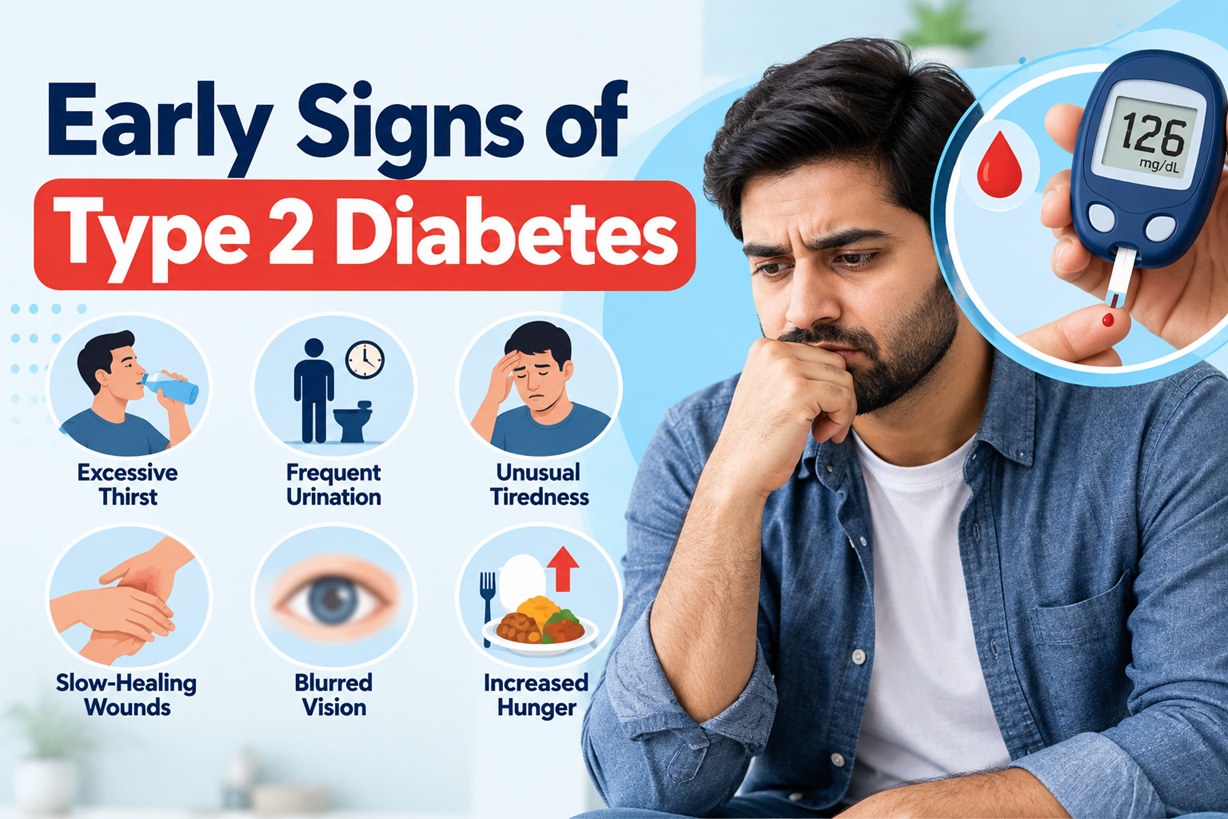
10 Early Signs of Type 2 Diabetes
1. Frequent Urination
Needing to urinate more often than usual, particularly during the night, can be an early warning sign of diabetes.
When blood sugar rises significantly, the kidneys attempt to remove excess glucose through urine. This can increase urine production and cause more frequent trips to the bathroom.
Frequent urination can also result from urinary tract infections, certain medicines and other medical conditions, so it should not be considered proof of diabetes on its own.
2. Excessive Thirst
Feeling thirsty repeatedly, even after drinking water, is another common symptom.
Increased urination causes the body to lose more fluid, which can lead to dehydration and persistent thirst.
If you are drinking noticeably more water than usual and also urinating frequently, consider having your blood sugar checked.
3. Unusual Tiredness and Fatigue
Persistent fatigue may occur when the body’s cells cannot use glucose efficiently.
You may feel exhausted despite sleeping adequately or find everyday activities more tiring than before.
Fatigue has many possible causes, including anaemia, thyroid disorders, poor sleep and nutritional deficiencies. A medical assessment can help determine the reason.
4. Increased Hunger
Some people with diabetes experience unusual hunger, even shortly after eating.
Because insulin resistance interferes with the body’s ability to use glucose effectively, normal energy regulation may be disrupted.
Increased appetite is not specific to diabetes, but it deserves attention when accompanied by thirst, frequent urination or unexplained weight changes.
5. Blurred Vision
High blood sugar can temporarily change fluid levels in the eye’s lens, affecting its ability to focus.
You might notice:
- Difficulty reading small text
- Blurred or fluctuating vision
- Changes in clarity throughout the day
Vision changes should not be ignored. Sudden or severe visual disturbances require prompt medical assessment.
6. Slow-Healing Cuts and Wounds
Cuts, scratches or minor skin injuries that take longer than expected to heal may be associated with poorly controlled blood sugar.
Over time, diabetes can affect circulation, immune function and the body’s ability to repair damaged tissue.
A wound that becomes red, swollen, painful or produces discharge should be assessed by a healthcare professional.
7. Recurrent Infections
People with elevated blood glucose may experience certain infections more frequently.
Examples include:
- Repeated urinary tract infections
- Fungal infections
- Skin infections
- Genital yeast infections
These infections can occur for many reasons. However, recurrent infections, particularly alongside other diabetes symptoms, may justify blood glucose testing.
8. Tingling or Numbness in the Feet
Some people experience tingling, burning or reduced sensation in their feet or hands.
These symptoms can be associated with peripheral neuropathy, a form of nerve damage that may develop with prolonged high blood sugar.
Although nerve damage is generally considered a complication rather than an early symptom, it may already be present when type 2 diabetes is first diagnosed.
Other conditions, including vitamin B12 deficiency, can cause similar symptoms.
9. Unexplained Weight Loss
Unintentional weight loss can occur when the body cannot use glucose properly and begins breaking down fat and muscle for energy.
Weight loss is more commonly associated with marked insulin deficiency and type 1 diabetes, but it can also occur in people with type 2 diabetes, particularly when blood sugar is very high.
Unexplained weight loss should always be medically evaluated.
10. Dark, Velvety Skin Around the Neck or Armpits
A condition called acanthosis nigricans can cause darker, thicker, velvety patches of skin, commonly around the neck, armpits or groin.
It is often associated with insulin resistance, which increases the risk of developing type 2 diabetes.
These skin changes do not necessarily mean that a person has diabetes, but they may indicate the need for further assessment.
Can You Have Type 2 Diabetes Without Symptoms?
Yes. Many people with type 2 diabetes have no obvious symptoms, especially in the early stages.
Blood sugar can remain elevated for months or years before noticeable problems appear.
This is why testing matters, particularly for people with risk factors such as a family history of diabetes, excess abdominal weight, high blood pressure or a previous diagnosis of prediabetes.
Do not wait for symptoms to appear if you have a significant risk of diabetes.
Who Is More Likely to Develop Type 2 Diabetes?
Several factors can increase the likelihood of developing the condition:
- Having a parent or sibling with type 2 diabetes
- Being overweight, particularly with excess fat around the abdomen
- Limited physical activity
- Having high blood pressure or abnormal cholesterol levels
- A history of gestational diabetes
- Having polycystic ovary syndrome (PCOS)
- Increasing age
- Having prediabetes
- South Asian ancestry, which is associated with a higher risk of type 2 diabetes at comparatively lower body mass index levels
People with multiple risk factors may benefit from screening even when they feel healthy.
Which Tests Can Detect Type 2 Diabetes?
A doctor may recommend one or more blood tests to check for diabetes.
| Test | Normal | Prediabetes | Diabetes |
|---|---|---|---|
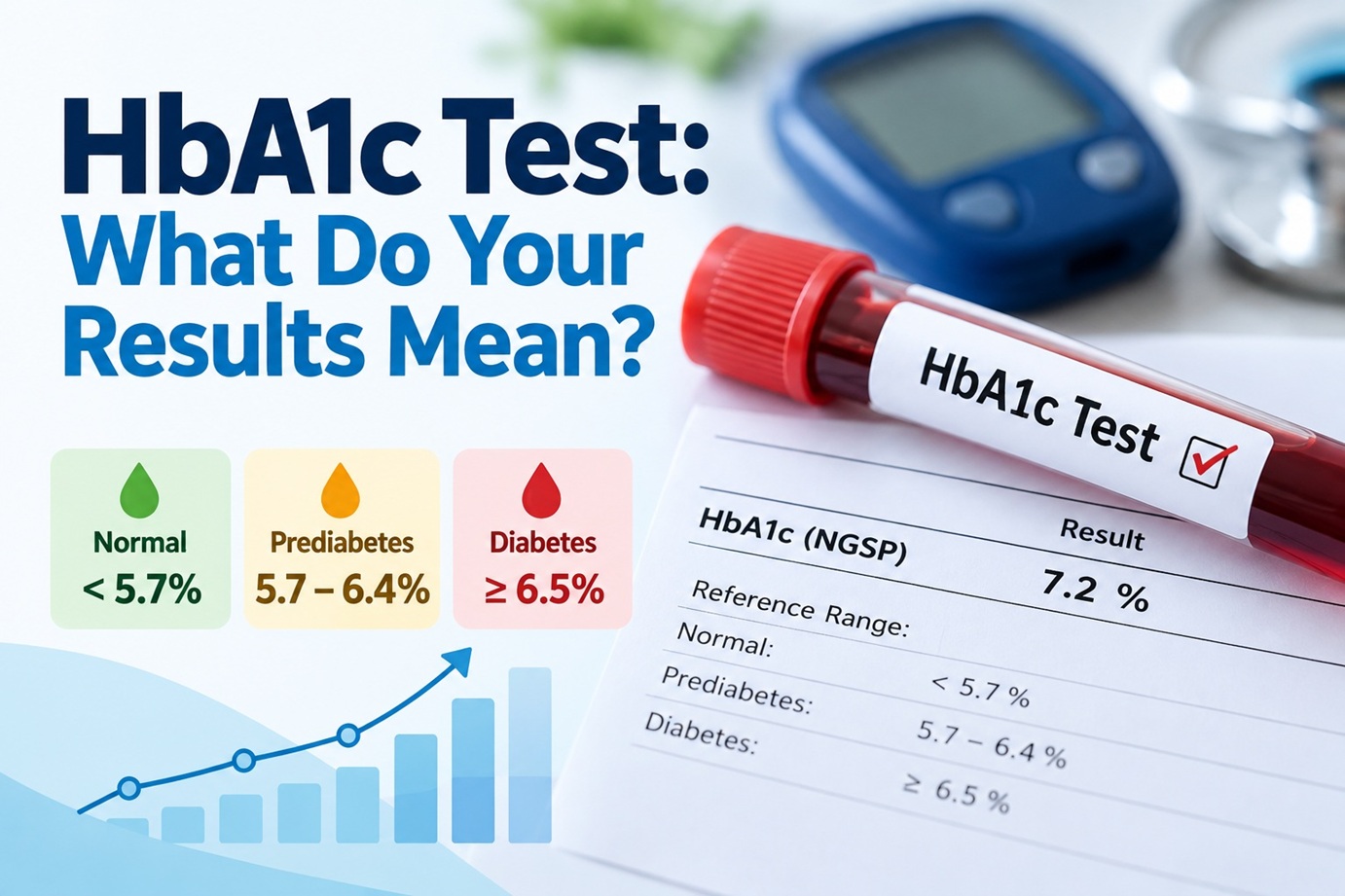
| HbA1c | Below 5.7% | 5.7–6.4% | 6.5% or higher |
| Fasting Plasma Glucose | Below 100 mg/dL | 100–125 mg/dL | 126 mg/dL or higher |
| 2-Hour Oral Glucose Tolerance Test | Below 140 mg/dL | 140–199 mg/dL | 200 mg/dL or higher |
A random plasma glucose of 200 mg/dL or higher, together with classic symptoms of hyperglycaemia, can also support a diagnosis of diabetes.
These are standard diagnostic thresholds for nonpregnant individuals. In the absence of unequivocal hyperglycaemia, diabetes diagnosis generally requires confirmation with a second abnormal test result.
Home glucose meters are useful for monitoring but should not be used alone to establish a new diagnosis.
For more information, read our guide to HbA1c Test: What Do Your Results Mean?
What Should You Do If You Notice These Symptoms?
If you experience several warning signs, arrange an appointment with a qualified healthcare professional.
A doctor may review your symptoms, family history, weight, blood pressure and other risk factors before recommending suitable blood tests.
While awaiting assessment, you can support your general health by:
- Choosing balanced meals with appropriate portions
- Reducing sugary drinks
- Staying physically active according to your health and ability
- Drinking enough water
- Maintaining a regular sleep schedule
- Avoiding smoking
Do not start diabetes medication without medical advice.
When Is Urgent Medical Attention Necessary?
Seek urgent medical care if high blood sugar symptoms occur alongside:
- Persistent vomiting or severe abdominal pain
- Rapid or unusually deep breathing
- Confusion, extreme drowsiness or fainting
- Severe dehydration or inability to keep fluids down
- Marked weakness or rapidly worsening illness
These symptoms can indicate a serious metabolic emergency requiring immediate assessment.
Can Type 2 Diabetes Be Prevented?
Not every case of type 2 diabetes can be prevented, but the risk can often be reduced or the onset delayed.
Lifestyle changes that may help include maintaining a healthy weight, participating in regular physical activity, eating a balanced diet and limiting sugar-sweetened beverages.
For adults with prediabetes, structured lifestyle programmes can significantly reduce the likelihood of progression to type 2 diabetes.
People with strong family histories or other risk factors should discuss appropriate screening with their doctor.
Frequently Asked Questions
What is usually the first sign of type 2 diabetes?
There is no single first symptom. Increased thirst, frequent urination, fatigue and blurred vision are common warning signs, but some people have no symptoms at all.
Can type 2 diabetes develop at a young age?
Yes. Although it is more common in adults, type 2 diabetes can also develop in adolescents and younger adults, particularly those with significant risk factors.
Is feeling tired after eating a sign of diabetes?
Feeling sleepy after a meal does not necessarily indicate diabetes. However, persistent fatigue accompanied by increased thirst, frequent urination or other symptoms may warrant testing.
Can a person with normal weight develop type 2 diabetes?
Yes. Type 2 diabetes can occur in people with a normal body weight. Family history, insulin resistance, body fat distribution and other metabolic factors can contribute.
Which test is best for detecting early diabetes?
HbA1c and fasting plasma glucose are commonly used for screening and diagnosis. An oral glucose tolerance test may identify abnormalities not detected by other tests. Your doctor can recommend the most appropriate option.
Can early type 2 diabetes be reversed?
Some people with type 2 diabetes can achieve remission through sustained weight loss and other treatments. Remission means blood glucose remains below the diabetes threshold without glucose-lowering medication for a defined period. It does not mean the condition is permanently cured.
Conclusion
The early signs of type 2 diabetes can be easy to overlook. Frequent urination, increased thirst, fatigue, blurred vision and slow-healing wounds may develop gradually, while some people experience no symptoms.
Recognising these changes is useful, but blood testing is essential for diagnosis.
If you have symptoms or important risk factors, speak with a healthcare professional about appropriate screening. Early diagnosis and management can reduce the risk of long-term complications.
Medical Disclaimer: This article is for educational purposes only and does not replace professional medical advice, diagnosis or treatment.