
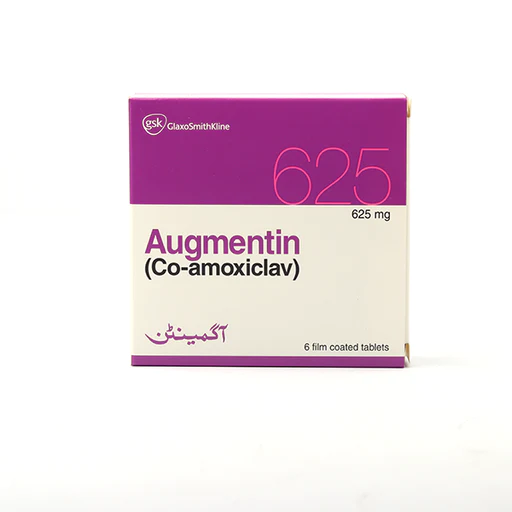
Augmentin: A Common Antibiotic in Pakistan
As a pharmacist, I’ve had countless conversations with patients about antibiotics, and Augmentin is one of the names that comes up frequently, especially when people are dealing with stubborn infections that don’t go away with a regular antibiotic. If your doctor has prescribed you Augmentin, here’s what you need to know, based on clinical facts and practical, real-life experience.
What is Augmentin and Why is it Prescribed?
Augmentin is a broad-spectrum antibiotic that contains two active ingredients:
- Amoxicillin (a penicillin-type antibiotic)
- Clavulanic acid (a beta-lactamase inhibitor)
Together, these two components make Augmentin effective against a wider range of bacteria, including those that are resistant to plain amoxicillin.
Common Uses of Augmentin:
Doctors often prescribe Augmentin for:
- Sinus infections (sinusitis)
- Ear infections (otitis media)
- Respiratory tract infections (bronchitis, pneumonia)
- Urinary tract infections (UTIs)
- Skin infections (cellulitis, infected wounds)
- Dental infections (abscesses or post-procedure infections)
How Does Augmentin Work?
Amoxicillin attacks the bacterial cell wall, weakening it and eventually killing the bacteria. However, some bacteria produce an enzyme called beta-lactamase, which breaks down amoxicillin and renders it ineffective.
That’s where clavulanic acid comes in. It blocks the beta-lactamase enzyme, allowing amoxicillin to do its job. Think of it as a shield that protects the antibiotic so it can kill the bacteria more effectively.
Dosage: What Patients Need to Understand
Augmentin comes in various strengths, and the dose depends on your age, weight, the type of infection, and its severity. You might be prescribed:
- 375 mg (amoxicillin 250 mg + clavulanic acid 125 mg)
- 625 mg (500 + 125)
- 1 g (875 + 125)
- Pediatric suspensions for children
Always take it exactly as prescribed and never use it without the doctor’s prescription. Don’t skip doses or stop early, even if you feel better, because the infection might come back stronger and more resistant.
Pro tip from the pharmacy counter:
Always take Augmentin with food. It helps reduce stomach upset, which is one of the most common complaints we hear.
Common Side Effects: What’s Normal vs. What’s Not
Like all medications, Augmentin can cause side effects. Most are mild and manageable.
Expected side effects:
- Diarrhea or soft stools
- Nausea
- Mild stomach pain
- Headache
If the diarrhea becomes severe or watery (especially with blood), stop taking the medicine and contact your doctor immediately. It could be a sign of a serious gut infection known as C. difficile.
Call your doctor right away if you notice:
- Rash or itching (especially if it’s widespread)
- Breathing problems or swelling of the face/lips
- Yellowing of eyes or skin (signs of liver effects)
As someone who’s filled thousands of prescriptions, I always remind patients: Just because it’s common doesn’t mean it’s harmless. Monitor your body’s response closely.
Can Everyone Take Augmentin?
Unfortunately, not everyone is a good candidate. Let your doctor or pharmacist know if you:
- Are allergic to penicillin or cephalosporins
- Have a history of liver disease or jaundice
- Are on multiple medications (Augmentin interacts with some drugs, like methotrexate or blood thinners)
- Are pregnant or breastfeeding (it’s generally considered safe, but always worth checking)
Augmentin in Pakistan: Things to Keep in Mind
In Pakistan, Augmentin is widely available in both government hospitals and private pharmacies. It is being produced and sold by GlaxoSmithKline. If the pharmacy doesn’t have it in stock, ask for the exact strength; substituting randomly can be risky.
And please, don’t take leftover antibiotics from previous infections or someone else’s prescription. The right dose and duration are critical to effective treatment and preventing resistance.
Final Thoughts: Trust the Course, But Stay Alert
Augmentin is one of those “workhorse” antibiotics that we rely on in many bacterial infections. When used responsibly, it can be incredibly effective. But like all antibiotics, it must be used carefully, completely, and only when truly needed.
If you’re ever unsure about the dosage, timing, or side effects, talk to your doctor or pharmacist. We’re not just handing out boxes; we’re here to guide you through the treatment safely.
Stay informed, stay healthy.