
Quick Answer
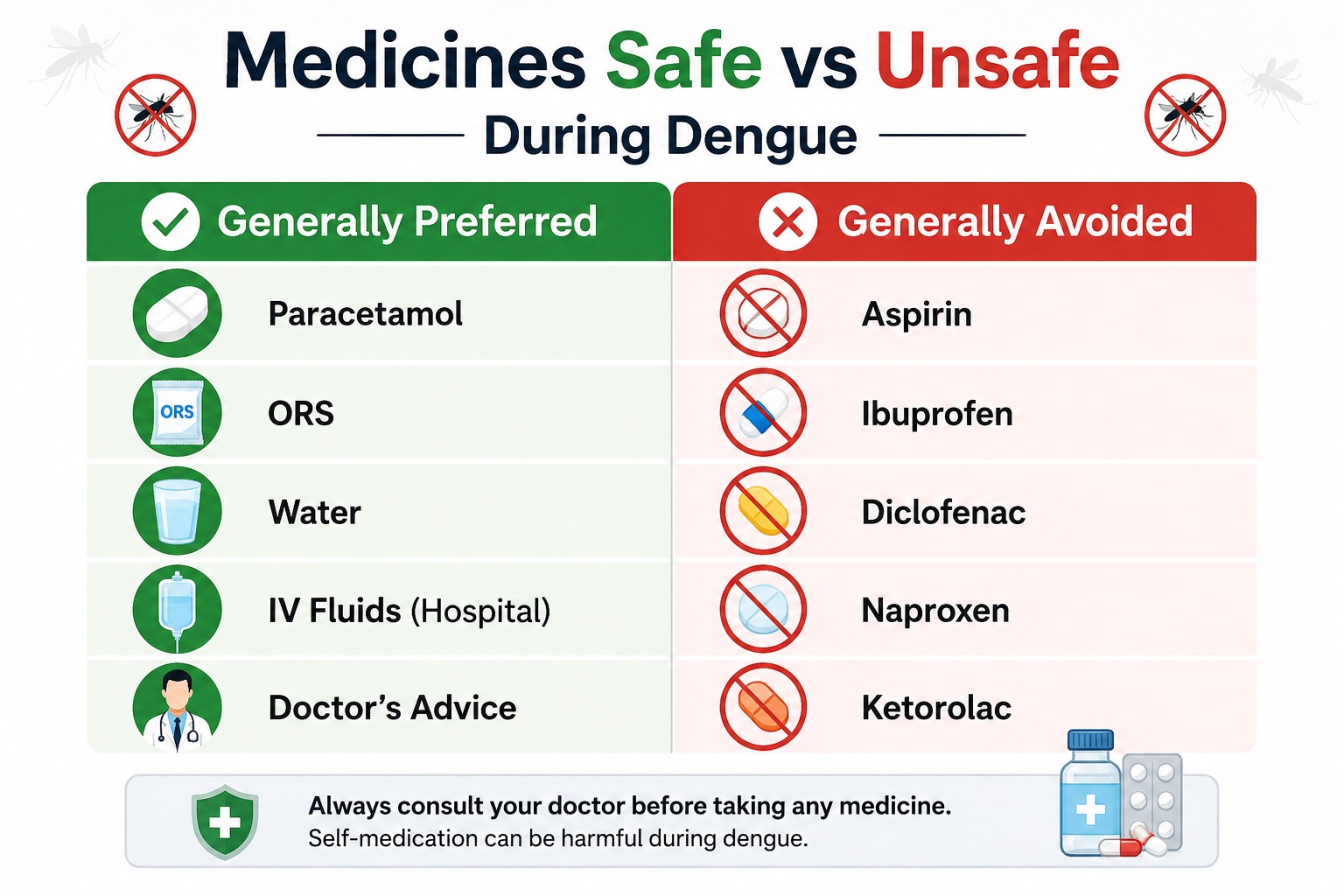
Yes. Paracetamol (also known as acetaminophen) is generally the preferred medicine for relieving fever and body aches in patients with dengue fever when used as directed by a healthcare professional. Unlike many other pain relievers, paracetamol does not significantly increase the risk of bleeding, making it the recommended first-line option for symptom relief.
However, medicines such as ibuprofen, diclofenac, aspirin, naproxen, ketorolac, and other NSAIDs (Nonsteroidal Anti-inflammatory Drugs) should generally be avoided in suspected or confirmed dengue because they can increase the risk of bleeding, stomach ulcers, and other complications. Also, avoid these foods during dengue.
It is important to remember that there is currently no specific antiviral medicine that cures dengue. Treatment mainly focuses on controlling symptoms, maintaining hydration, monitoring for warning signs, and seeking timely medical care if complications develop.
Understanding Dengue Treatment
Dengue is a viral infection caused by the dengue virus and transmitted through the bite of infected Aedes mosquitoes. Because it is caused by a virus, antibiotics are not effective unless a patient also has a confirmed bacterial infection.
Most patients recover with:
- Adequate hydration
- Rest
- Careful monitoring
- Fever management
- Medical supervision when necessary
The main goal of treatment is to reduce symptoms while preventing complications such as dehydration and severe bleeding.
Is Paracetamol Safe for Dengue?
Yes. Paracetamol is considered the safest commonly used fever medicine for dengue patients when taken according to medical advice.
Doctors commonly recommend paracetamol to:
- Reduce high fever
- Relieve headache
- Ease muscle pain
- Reduce joint pain
- Improve comfort during recovery
Unlike NSAIDs, paracetamol does not interfere significantly with platelet function, making it a safer choice for patients who may already have low platelet counts.
Even though paracetamol is generally safe, taking more than the recommended dose can cause serious liver damage. Patients should always follow the dosage prescribed by their healthcare provider or the instructions on the medicine label.
Why Are Some Painkillers Dangerous During Dengue?
One of the biggest concerns in dengue is the possibility of bleeding complications.
The dengue virus can affect:
- Blood vessels
- Platelet count
- Blood clotting mechanisms
Some medicines further increase bleeding risk by affecting platelet function or irritating the stomach lining.
For this reason, doctors usually recommend avoiding several commonly used painkillers until dengue has been ruled out or the patient has fully recovered.
Medicines to Avoid During Dengue
The following medicines should generally not be taken without medical advice if dengue is suspected or confirmed.
Ibuprofen
Ibuprofen is widely used for pain and fever, but it may increase the risk of bleeding in dengue patients.
Diclofenac
Diclofenac is commonly prescribed for muscle and joint pain. During dengue, it may increase the likelihood of stomach bleeding and should usually be avoided.
Aspirin
Aspirin reduces platelet function and significantly increases bleeding risk. It is generally not recommended for dengue patients unless specifically advised by a specialist for another medical condition.
Naproxen
Like other NSAIDs, naproxen can increase bleeding risk and is generally avoided during dengue infection.
Ketorolac
Ketorolac is a strong NSAID used for severe pain but is generally not recommended in dengue because of its association with bleeding complications.
Other NSAIDs
Many other anti-inflammatory pain medicines belong to the NSAID group and may not be suitable for dengue patients. Always consult a qualified healthcare professional before taking any medication.
Can Antibiotics Treat Dengue?
One of the most common misconceptions is that antibiotics can cure dengue fever. In reality, antibiotics do not work against dengue because dengue is caused by a virus, not bacteria.
Antibiotics are designed to treat bacterial infections, such as pneumonia, urinary tract infections, or bacterial skin infections. Since they have no effect on viruses, taking antibiotics unnecessarily will not shorten the duration of dengue or improve recovery.
A doctor may prescribe antibiotics only if a patient with dengue also develops a confirmed bacterial infection. Patients should never start antibiotics on their own without medical advice.
Are Steroids Used to Treat Dengue?
Many people believe that steroid injections or steroid tablets can quickly improve dengue symptoms or increase platelet counts. Current medical guidelines do not recommend the routine use of corticosteroids for dengue fever.
Studies have not shown consistent benefits, and unnecessary steroid use may increase the risk of side effects such as:
- Higher blood sugar levels
- Increased risk of secondary infections
- Delayed wound healing
- Stomach irritation
- Weakened immune response
Steroids may occasionally be used for other medical conditions if a patient already requires them, but they are not considered standard treatment for dengue itself.
Is Oral Rehydration Solution (ORS) Important?
Yes. Maintaining adequate hydration is one of the most important parts of dengue treatment.
High fever, vomiting, poor appetite, and increased fluid loss can quickly lead to dehydration. Drinking enough fluids helps maintain blood circulation and supports recovery.
Doctors may recommend:
- Oral Rehydration Solution (ORS)
- Plain drinking water
- Fresh soups
- Coconut water (if appropriate)
- Fresh fruit juices without excessive sugar
- Other clear fluids as advised
Patients who cannot drink enough fluids or develop severe dehydration may require intravenous (IV) fluids in a hospital. Read our article on the foods you should take during dengue.
What Medicines Are Given in Hospital for Dengue?
There is no specific medicine that kills the dengue virus. Hospital treatment mainly focuses on supportive care and careful monitoring.
Depending on the patient’s condition, hospital treatment may include:
- Intravenous (IV) fluids
- Paracetamol for fever and pain relief
- Regular monitoring of blood pressure and pulse
- Monitoring urine output
- Blood tests, including platelet count and hematocrit
- Oxygen therapy if needed
- Blood or platelet transfusion in selected patients when clinically indicated
Treatment is individualized based on the severity of the illness and the presence of warning signs or complications.
Can Platelets Be Increased with Medicines?
Many people search for medicines or injections that can rapidly increase platelet counts during dengue. For most patients, there is no routinely recommended medicine that directly increases platelets during dengue infection.
In uncomplicated dengue, platelet counts often begin to recover naturally as the viral infection resolves. Doctors focus on:
- Monitoring platelet trends
- Assessing for signs of bleeding
- Maintaining hydration
- Treating complications promptly
Platelet transfusions are not routinely required for every patient with a low platelet count. They are usually reserved for patients with significant bleeding or specific clinical indications, rather than based on the platelet count alone.
Common Medication Myths in Pakistan
Several myths circulate on social media during dengue outbreaks. It is important to separate facts from misinformation.
Myth: Antibiotics cure dengue.
Fact: Dengue is a viral illness, so antibiotics do not treat it unless there is a confirmed bacterial infection.
Myth: Every patient with low platelets needs a platelet transfusion.
Fact: Platelet transfusion is only recommended in selected cases based on the patient’s overall clinical condition.
Myth: Any fever medicine is safe for dengue.
Fact: NSAIDs such as ibuprofen, diclofenac, and aspirin should generally be avoided because they may increase bleeding risk.
Myth: Herbal remedies can cure dengue.
Fact: No herbal remedy has been proven to cure dengue. Patients should follow evidence-based medical advice and avoid delaying proper treatment.
When Should You Go to the Hospital Immediately?
While many people with dengue recover at home with rest, fluids, and regular medical follow-up, some patients can rapidly develop severe dengue, which is a potentially life-threatening condition requiring urgent medical care.
The critical phase of dengue often begins 24–48 hours after the fever starts to settle, which is why patients should continue monitoring their symptoms even if they feel their fever is improving.
Seek immediate medical attention or visit the nearest emergency department if you experience any of the following warning signs:
- Severe or persistent abdominal pain
- Repeated vomiting
- Vomiting blood or passing black, tarry stools
- Bleeding from the gums or nose
- Blood in the urine
- Difficulty breathing or shortness of breath
- Extreme weakness or inability to stay awake
- Restlessness or confusion
- Cold, clammy skin
- Severe dizziness or fainting
- Very little or no urine output
- Sudden worsening after the fever begins to improve
These symptoms may indicate severe dengue, internal bleeding, or plasma leakage and should never be ignored.
Can Children Take Paracetamol for Dengue?
Yes. Paracetamol is generally the preferred medicine for reducing fever and relieving pain in children with suspected or confirmed dengue, provided it is used under the guidance of a qualified healthcare professional.
Parents should:
- Use the correct dose based on the child’s weight and age.
- Avoid giving adult-strength tablets unless specifically advised by a doctor.
- Never exceed the recommended daily dose.
- Ensure the child drinks plenty of fluids to reduce the risk of dehydration.
Parents should avoid giving ibuprofen, aspirin, diclofenac, or other NSAIDs to children with suspected dengue unless specifically instructed by a pediatrician.
Children with persistent vomiting, refusal to drink fluids, excessive sleepiness, seizures, breathing difficulty, or any warning signs should be taken to the hospital immediately.
Can Pregnant Women Take Paracetamol During Dengue?
Pregnant women with dengue require prompt medical assessment because both the mother and baby may be at increased risk of complications.
Paracetamol is generally considered the preferred medicine for treating fever during pregnancy when recommended by a healthcare professional. However, pregnant women should not self-medicate or rely solely on home treatment.
Pregnant women should seek immediate medical care if they develop:
- High fever
- Severe abdominal pain
- Vaginal bleeding
- Persistent vomiting
- Reduced fetal movements
- Difficulty breathing
- Any warning signs of severe dengue
Early monitoring and supportive treatment can help reduce the risk of complications during pregnancy.
Can You Take Your Regular Medicines While You Have Dengue?
Many patients with diabetes, hypertension, heart disease, kidney disease, or other chronic illnesses wonder whether they should continue their regular medicines after being diagnosed with dengue.
Do not stop any prescribed medication without consulting your doctor.
In some situations, your healthcare provider may temporarily adjust certain medicines depending on:
- Your blood pressure
- Kidney function
- Degree of dehydration
- Liver function
- Bleeding risk
- Overall clinical condition
Always inform your doctor about all prescription medicines, over-the-counter drugs, herbal products, and dietary supplements you are taking.
Frequently Asked Questions (FAQs)
Can I take Panadol if I have dengue?
Yes. Panadol contains paracetamol, which is generally the recommended medicine for reducing fever and relieving pain in dengue when taken according to medical advice.
Can ibuprofen make dengue worse?
Ibuprofen may increase the risk of bleeding in patients with dengue and is generally avoided unless specifically recommended by a doctor.
Do antibiotics cure dengue?
No. Dengue is caused by a virus, so antibiotics do not treat the infection unless there is a confirmed bacterial infection as well.
Can I buy dengue medicine from a pharmacy?
There is no specific antiviral medicine that cures dengue. Treatment mainly focuses on hydration, fever control with paracetamol, monitoring, and supportive care under medical supervision.
How long does dengue fever usually last?
The fever usually lasts 2 to 7 days, although recovery may take longer. Fatigue and weakness can persist for several weeks after the infection.
Is hospital admission necessary for every dengue patient?
No. Many patients recover safely at home with proper hydration and regular follow-up. However, patients with warning signs, severe dehydration, significant bleeding, or severe dengue require hospital care.
Key Takeaways
- Paracetamol is generally the preferred medicine for reducing fever and relieving pain in people with suspected or confirmed dengue when used as directed by a healthcare professional.
- Avoid ibuprofen, diclofenac, aspirin, naproxen, ketorolac, and other NSAIDs unless specifically advised by your doctor, as these medicines may increase the risk of bleeding.
- There is no specific antiviral medicine that cures dengue. Treatment mainly focuses on hydration, symptom relief, careful monitoring, and supportive medical care.
- Antibiotics do not treat dengue because it is caused by a virus, not bacteria.
- Drink plenty of fluids and watch closely for warning signs, especially when the fever begins to improve.
- Seek immediate medical attention if you develop severe abdominal pain, persistent vomiting, bleeding, breathing difficulty, confusion, or other signs of severe dengue.
Final Thoughts
Dengue fever is one of the most common mosquito-borne illnesses in Pakistan, particularly during and after the monsoon season. While most patients recover completely with proper care, taking the wrong medication can increase the risk of serious complications.
If you or a family member develops symptoms of dengue, avoid self-medicating with painkillers that have not been recommended by a healthcare professional. Paracetamol is generally the preferred option for managing fever and body aches, while hydration, adequate rest, and close medical monitoring remain the foundation of dengue treatment.
Always remember that dengue can worsen suddenly, even after the fever starts to settle. Paying attention to warning signs and seeking timely medical care can make a significant difference in preventing severe illness and improving recovery.
If you are unsure which medicines are safe to take, consult a qualified physician instead of relying on advice from social media or unverified online sources.
When to Consult a Doctor During the Dengue Fever
Consult a doctor immediately if:
- Your fever lasts more than two days with suspected dengue.
- You have severe body pain or persistent vomiting.
- You notice any bleeding from the gums, nose, urine, or stool.
- You become unusually sleepy, confused, or develop breathing difficulty.
- You are pregnant, elderly, have diabetes, heart disease, kidney disease, or a weakened immune system.
- Your child develops warning signs or refuses to drink fluids.
Early diagnosis and appropriate supportive care can significantly reduce the risk of severe dengue complications.
Medical Disclaimer
This article is intended for educational and informational purposes only and should not be considered a substitute for professional medical advice, diagnosis, or treatment. Never start, stop, or change any medication without consulting a qualified healthcare professional. If you suspect dengue fever or develop warning signs such as severe abdominal pain, persistent vomiting, bleeding, difficulty breathing, or confusion, seek immediate medical attention.