
When Should You See an Eye Specialist? Signs You Shouldn’t Ignore
Your eyes can develop problems gradually or suddenly, and knowing when to see an eye specialist can make an important difference. Some symptoms are caused by relatively minor problems, while others can indicate conditions that require prompt diagnosis and treatment.
An ophthalmologist, commonly called an eye specialist or eye doctor, is a medical doctor trained to diagnose and treat diseases affecting the eyes and vision. Ophthalmologists can prescribe medicines, investigate eye diseases and perform surgical procedures according to their training and specialty.
You should consider seeing an eye specialist if you experience persistent changes in vision, eye pain, recurring redness, flashes or floaters, double vision, an eye injury or other unexplained eye symptoms. Some symptoms—particularly sudden loss of vision—require urgent medical attention rather than waiting for a routine appointment.
Quick Answer: When Should You See an Eye Specialist?
You should arrange an eye examination if you develop new, persistent or worsening problems involving your eyesight or eyes. Important reasons include:
- Sudden or unexplained changes in vision
- Persistent blurred vision
- Eye pain
- New flashes or floaters
- A shadow or curtain across your vision
- Persistent eye redness or swelling
- Double vision
- Increasing difficulty seeing at night
- Changes in peripheral vision
- Eye injury or chemical exposure
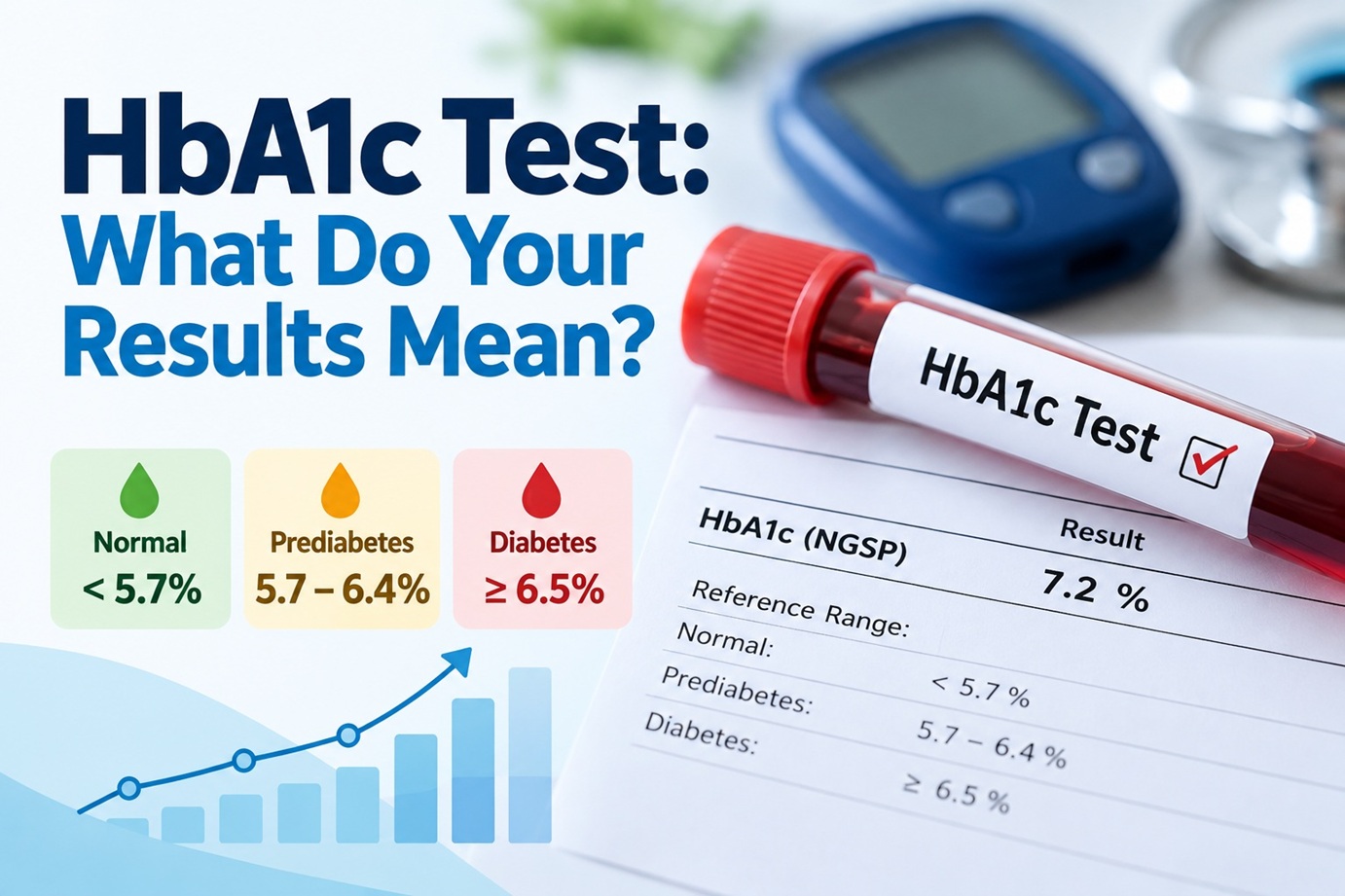
- Eye problems associated with diabetes
- Squint or suspected vision problems in children
Sudden vision loss, severe eye trauma, chemical injuries and certain sudden visual changes can be medical emergencies and should be assessed urgently.
Sudden Loss of Vision
Sudden loss or significant reduction of vision should be treated as an emergency.
Vision may disappear completely or become suddenly blurred in one or both eyes. Depending on the circumstances, possible causes can include retinal detachment, problems affecting blood flow to the retina or optic nerve, acute glaucoma, inflammation or neurological conditions such as stroke.
Do not wait for your eyesight to improve on its own if you experience a sudden unexplained loss of vision. Seek urgent medical or ophthalmological assessment.
If sudden visual changes occur alongside symptoms such as facial weakness, difficulty speaking, weakness or numbness on one side of the body, severe dizziness or loss of coordination, emergency medical assessment is particularly important because these can be warning signs of a stroke.
Persistent or Worsening Blurred Vision
Occasional temporary blurring can occur for many reasons, but persistent, unexplained or progressively worsening blurred vision deserves professional assessment.
Sometimes the cause is simply a refractive error that can be corrected with glasses or contact lenses. However, blurred vision can also occur with conditions such as:
- Cataracts
- Glaucoma
- Corneal disorders
- Diabetic eye disease
- Retinal conditions
- Eye inflammation
- Age-related changes in the eye
An eye examination can help determine whether you simply need an updated prescription or whether an underlying eye condition requires treatment.
A sudden onset of significant blurred vision should be treated more urgently than gradual changes.
Eye Pain
Eye pain should not automatically be dismissed as eye strain.
Minor irritation can cause discomfort, but moderate or severe eye pain, particularly when accompanied by reduced vision, redness, headache, nausea, light sensitivity or vomiting, can indicate a more serious problem.
Possible causes include inflammation, infection, corneal injury and certain forms of glaucoma.
Pain that feels as though something is trapped inside the eye may also result from a foreign body or damage to the surface of the cornea.
Seek prompt medical attention if eye pain is severe, develops suddenly, follows an injury or occurs together with changes in vision.
New Flashes, Floaters or a Curtain Over Your Vision
Floaters often appear as small dots, threads, cobweb-like shapes or shadows moving through your field of vision. Many people develop occasional floaters as the eye changes with age, and they are not always dangerous.
However, you should seek prompt ophthalmological assessment if you suddenly notice:
- Many new floaters
- Flashes of light
- A dark shadow in your peripheral vision
- A curtain or veil moving across your vision
- Sudden loss of part of your visual field
These can be warning symptoms of a retinal tear or retinal detachment.
Retinal detachment can threaten vision and may require urgent treatment. A sudden combination of flashes, increased floaters and loss of part of the visual field should therefore not be ignored.
Persistent Red or Swollen Eyes
Red eyes are common and can occur due to allergies, dryness, irritation or minor infections. However, persistent or severe redness may require examination.
You should be particularly cautious when a red eye occurs together with:
- Eye pain
- Reduced or blurred vision
- Significant light sensitivity
- Severe headache
- Nausea or vomiting
- Eye injury
- Marked swelling
These combinations can indicate conditions more serious than simple irritation.
People who wear contact lenses should also take a painful red eye seriously because contact-lens use can increase the risk of certain corneal infections.
Double Vision
Double vision, medically known as diplopia, means seeing two images of a single object.
It may result from problems involving the eyes, eye muscles, nerves or the parts of the brain responsible for coordinating vision.
New or unexplained double vision should be medically evaluated, particularly if it begins suddenly.
Sudden double vision accompanied by weakness, facial drooping, speech difficulty, severe headache, dizziness or problems with balance requires emergency medical assessment, as the cause may be neurological rather than limited to the eyes.
Increased Sensitivity to Light
Some people naturally find bright light uncomfortable, but a new or substantial increase in light sensitivity—known as photophobia—can occur with several eye conditions.
It can accompany problems involving the cornea, inflammation inside the eye, infection or injury. Photophobia may also occur with migraine and other non-eye conditions.
Consider seeing an eye specialist when light sensitivity is new, persistent or severe, especially when accompanied by a painful or red eye or changes in vision.
Eye Injury or Chemical Exposure
Eye injuries range from minor surface scratches to potentially sight-threatening trauma.
Seek medical attention after significant eye trauma, particularly if there is:
- Reduced vision
- Severe pain
- Bleeding
- An embedded object
- An abnormally shaped pupil
- Significant swelling
- Difficulty opening or moving the eye
Chemical exposure requires immediate action.
If a chemical gets into the eye, begin flushing the affected eye immediately with plenty of clean, lukewarm water and continue irrigation while arranging urgent medical care. Do not delay rinsing while trying to identify the chemical or arrange an appointment.
Do not rub an injured eye or attempt to remove an object that appears embedded in the eye.
Not Every Eye Problem Can Wait for a Routine Appointment
The most important distinction is between symptoms that can reasonably be assessed during a scheduled eye appointment and those requiring urgent or emergency care.
Sudden vision loss, major eye trauma, chemical burns, severe eye pain with reduced vision, and symptoms suggesting retinal detachment should not be managed by simply booking the next available routine appointment.
Frequent Headaches and Eye Strain
Headaches do not always originate from the eyes, but persistent headaches accompanied by eye strain, difficulty focusing or blurred vision may be a reason to have your vision checked.
Uncorrected refractive errors, prolonged close-up work and extended screen use can contribute to eye discomfort. Symptoms may include:
- Tired or aching eyes
- Difficulty focusing
- Blurred vision after reading or screen use
- Dry or irritated eyes
- Headaches after visual tasks
An eye examination can determine whether glasses, an updated prescription or another eye-related problem is involved.
However, frequent or severe headaches can have many non-eye causes. Seek medical assessment rather than assuming that persistent headaches are simply due to eyesight.
Increasing Difficulty Seeing at Night
Some reduction in night vision can occur with age, but a noticeable or progressive change deserves attention.
People may notice difficulty driving after dark, excessive glare from headlights, halos around lights or trouble adjusting when moving from a bright environment into darkness.
Night-vision difficulties can be associated with several conditions, including cataracts and refractive errors. Less commonly, retinal or other eye disorders may contribute.
If night vision is becoming noticeably worse or interfering with activities such as driving, arrange a comprehensive eye examination.
Changes in Peripheral Vision
Peripheral vision allows you to see objects outside the central area you are directly looking at.
A gradual reduction in peripheral vision may be difficult to notice. Glaucoma, for example, can damage peripheral vision before a person becomes aware of significant visual impairment.
Sudden loss of part of the visual field is more concerning and can occur with retinal or neurological problems.
If you notice missing areas, shadows or unexplained narrowing of your field of vision, see an eye specialist. Sudden visual-field loss requires urgent assessment.
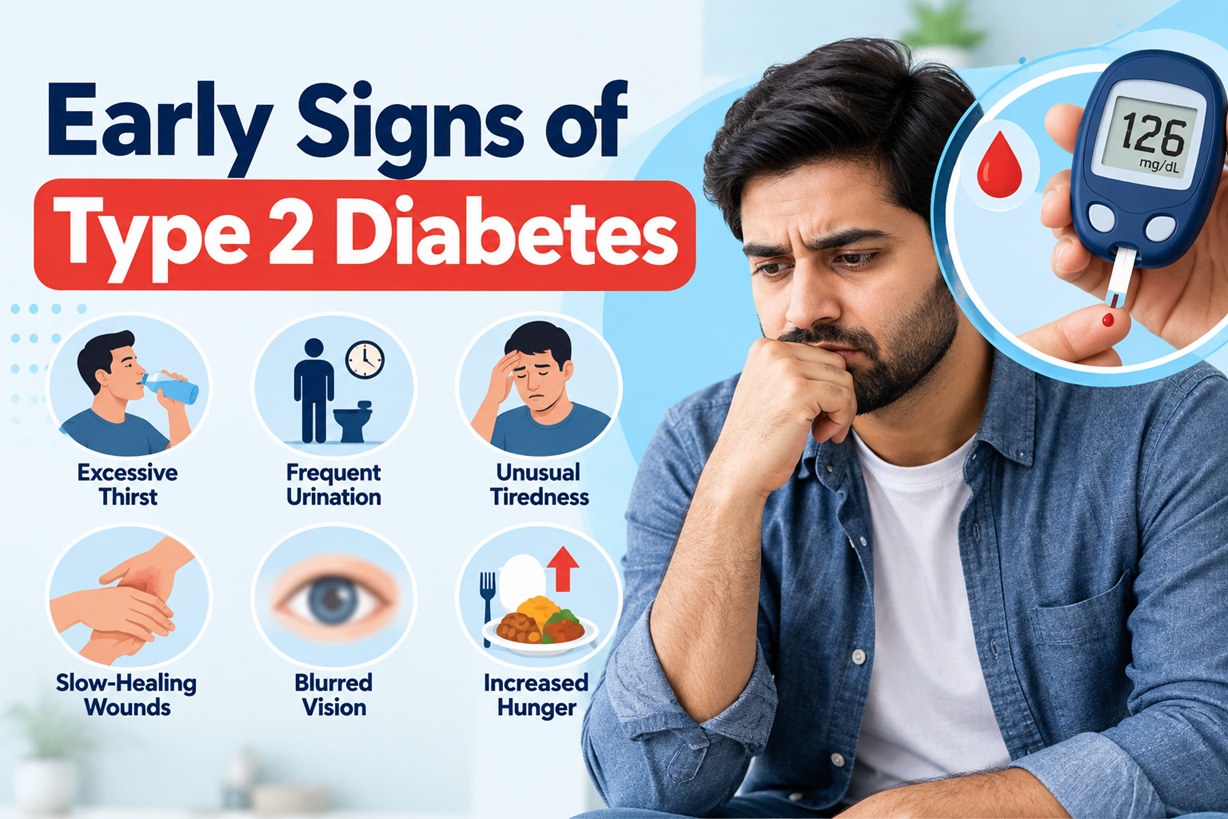
Diabetes and Eye Problems
People with diabetes can develop eye complications even when their eyesight seems normal.
One of the most important is diabetic retinopathy, which occurs when diabetes damages blood vessels in the retina. Early stages may produce few or no noticeable symptoms.
Diabetes can also increase the risk of other eye conditions, including cataracts and glaucoma.
For this reason, people with diabetes should have regular dilated eye examinations at intervals recommended by their healthcare professional rather than waiting until vision problems appear.
Good management of blood glucose, blood pressure and other cardiovascular risk factors is also important for reducing the risk of diabetic eye complications.
Symptoms such as new floaters, blurred vision, dark areas in the visual field or sudden changes in eyesight should be assessed promptly.
Squint or Vision Problems in Children
Children do not always realize—or have the words to explain—that their vision is abnormal.
Parents and caregivers should pay attention to signs such as:
- One eye turning inward or outward
- Persistent squinting
- Sitting unusually close to screens
- Holding books very close
- Frequently rubbing the eyes
- Closing or covering one eye to see
- Difficulty recognizing distant objects
- An unusual head position when looking at something
- Problems noticed during school vision screening
A misalignment of the eyes is known as strabismus or squint. Some children may also develop amblyopia (lazy eye), in which vision does not develop normally in one eye.
Early assessment matters because some childhood vision problems respond better when identified and treated while the visual system is still developing.
A child with suspected eye disease, persistent squint or abnormal visual development may need assessment by an ophthalmologist, particularly one experienced in pediatric ophthalmology.
Changes in Vision as You Get Older
The eyes naturally change with age.
Many adults begin having difficulty focusing on nearby objects during their 40s because of presbyopia. Although this is a normal age-related change, increasing age is also associated with a higher risk of conditions such as:
- Cataracts
- Glaucoma
- Age-related macular degeneration
- Dry eye disease
- Other retinal conditions
The appropriate frequency of eye examinations varies according to age, symptoms, existing eye conditions, family history and medical risk factors.
People with diabetes, a family history of glaucoma, previous eye disease or other significant risk factors may require more frequent examinations.
Should You Have an Eye Examination Even Without Symptoms?
Yes, in some circumstances.
Several important eye diseases can develop before noticeable symptoms occur. Glaucoma and diabetic retinopathy are particularly important examples.
Routine comprehensive eye examinations can therefore be useful even when vision seems normal, especially for people who:
- Have diabetes
- Have a family history of glaucoma or certain inherited eye diseases
- Have previously been diagnosed with an eye condition
- Use medications that can affect the eyes
- Have had previous eye surgery or significant eye injury
- Have been advised to undergo regular monitoring by an ophthalmologist
The appropriate examination schedule should be individualized rather than assuming everyone needs exactly the same interval.
When Is an Eye Problem an Emergency?
Some eye symptoms require immediate or urgent medical attention because delaying treatment could threaten vision or indicate another serious medical condition.
| Symptom or situation | What to do |
|---|---|
| Sudden loss of vision | Seek emergency care |
| Chemical in the eye | Rinse immediately and seek urgent care |
| Serious eye injury | Seek urgent medical attention |
| New flashes, many floaters + curtain/shadow | Urgent eye assessment |
| Severe eye pain + reduced vision | Urgent assessment |
| Sudden double vision + weakness/speech problems | Emergency assessment |
| Gradually worsening blurred vision | Arrange an eye examination |
| Increasing difficulty seeing at night | Arrange an eye examination |
| Persistent eye strain | Arrange a routine assessment |
| Gradual prescription changes | Routine eye/vision examination |
If you are unsure whether a sudden eye symptom is serious, it is safer to seek prompt professional assessment rather than waiting for it to resolve.
Ophthalmologist vs Optometrist: Who Should You See?
Both ophthalmologists and optometrists are involved in eye and vision care, but their training and roles differ.
An ophthalmologist is a medical doctor specializing in eye diseases. Ophthalmologists diagnose and medically manage eye conditions and can perform eye surgery according to their training and subspecialty.
An optometrist primarily provides vision assessment, detects refractive errors and prescribes glasses or contact lenses, although the exact professional scope varies by jurisdiction.
If you simply need a routine vision check or glasses prescription, an optometrist may be appropriate.
If you have eye disease, an eye injury, significant unexplained visual changes or a condition that may require medical or surgical treatment, an ophthalmologist is generally the appropriate specialist.
Which Type of Eye Specialist Do You Need?
Ophthalmology includes several subspecialties. For some conditions, seeing an ophthalmologist with relevant specialist training or experience may be beneficial.
| Eye problem | Specialist who may be appropriate |
|---|---|
| General eye disease | General ophthalmologist |
| Cataract | Cataract/anterior segment surgeon |
| Glaucoma | Ophthalmologist experienced in glaucoma |
| Diabetic retinopathy | Retina/vitreoretinal specialist |
| Retinal detachment | Vitreoretinal specialist |
| Corneal disease | Cornea/anterior segment specialist |
| Children's eye problems | Pediatric ophthalmologist |
| Squint/strabismus | Pediatric/strabismus ophthalmologist |
| Eyelid or orbital disorders | Oculoplastic ophthalmologist |
| Refractive surgery | Refractive eye surgeon |
You do not necessarily need to identify the subspecialty yourself. A general ophthalmologist can perform an initial assessment and refer you to another eye specialist when necessary.
Finding an Eye Specialist in Peshawar
Patients in Peshawar have access to ophthalmologists working in general eye care as well as areas such as retinal diseases, glaucoma, corneal conditions, pediatric ophthalmology and eye surgery.
If you need specialist eye care, you can browse NamakMandi.pk’s Eye Specialists & Ophthalmologists in Peshawar directory to compare doctors according to their qualifications, areas of expertise, hospitals or clinics and practice locations.
When arranging an appointment, particularly for a specific condition such as retinal disease or childhood eye problems, consider whether the ophthalmologist has relevant experience in that area.
For sudden vision loss or another eye emergency, do not delay treatment while searching for a routine clinic appointment.
Preparing for Your Eye Specialist Appointment
A little preparation can help you get more from an appointment with an ophthalmologist, particularly if you have an existing eye condition or have previously undergone treatment.
Consider taking:
- Your current glasses or contact-lens prescription
- Previous eye examination reports
- Eye scans or test results, if available
- Details of previous eye surgery or treatment
- A list of medicines and eye drops you currently use
- Information about conditions such as diabetes or high blood pressure
- Details of significant eye diseases in your family
Tell the ophthalmologist when your symptoms started, whether they have become worse and whether one or both eyes are affected.
What Happens During an Eye Examination?
The tests performed depend on your symptoms and medical history. An ophthalmologist may check your visual acuity, eye movements, pupils, eye pressure and structures at the front and back of the eye.
Some patients may need additional investigations, such as retinal imaging, optical coherence tomography (OCT), visual-field testing or other specialized examinations.
The doctor may also use dilating eye drops to obtain a better view of the retina and other structures at the back of the eye.
Dilating drops can temporarily cause blurred near vision and increased sensitivity to bright light. If dilation is expected, consider bringing sunglasses and arranging transportation if you do not feel comfortable driving afterward.
Frequently Asked Questions
Can blurred vision be a sign of eye disease?
Yes. Blurred vision can result from a simple refractive error, but it can also occur with cataracts, glaucoma, retinal disease, diabetes and other eye conditions. Persistent or unexplained blurred vision should be evaluated.
Should I see an eye specialist for floaters?
Occasional longstanding floaters are common. However, a sudden increase in floaters, particularly with flashes of light or a curtain-like shadow over the vision, requires urgent eye assessment because it may indicate a retinal tear or detachment.
When is eye pain serious?
Seek prompt assessment if eye pain is severe, develops suddenly or occurs with reduced vision, significant redness, light sensitivity, nausea, vomiting or an eye injury.
Should people with diabetes see an ophthalmologist?
People with diabetes need regular eye examinations because diabetic retinopathy can develop before noticeable vision problems occur. The appropriate examination schedule should be determined with their healthcare professional.
At what age should adults start regular eye examinations?
There is no single examination schedule suitable for everyone. The frequency depends on age, vision, medical history, family history and risk factors such as diabetes or glaucoma.
When should a child see an eye specialist?
A child should be evaluated if there is persistent squint, suspected poor vision, abnormal eye movements, an unusual pupil appearance, eye injury or another concern about eye development or vision.
Can an ophthalmologist prescribe glasses?
Yes. Ophthalmologists can assess vision and prescribe corrective lenses, although routine refraction and glasses prescriptions are also commonly provided by optometrists.
Do I need an ophthalmologist or an optometrist?
For routine vision testing and glasses, an optometrist may be appropriate. An ophthalmologist is generally more appropriate for suspected eye disease, significant injuries, unexplained vision changes or conditions that may require medical or surgical treatment.
Can glaucoma develop without symptoms?
Yes. Some forms of glaucoma can cause progressive optic-nerve damage without obvious early symptoms. This is one reason regular eye examinations can be important for people at increased risk.
Are flashes and floaters always an emergency?
Not always. However, new flashes, a sudden increase in floaters or a shadow or curtain across the vision should be assessed urgently, particularly when they appear suddenly.
Protecting Your Eyes Between Examinations
Regular eye examinations are only one part of maintaining eye health. Everyday measures can also help protect your eyes.
Control medical conditions such as diabetes and high blood pressure, follow prescribed treatment for existing eye disease and avoid stopping prescribed eye drops without discussing it with your doctor.
Wear appropriate eye protection when working with machinery, chemicals, metal fragments or other materials that could injure the eyes. Sunglasses that provide suitable ultraviolet protection can help reduce UV exposure outdoors.
Contact-lens users should follow proper hygiene instructions and avoid wearing lenses longer than recommended. A painful, red eye in a contact-lens wearer deserves prompt assessment, particularly when vision is affected.
Don’t Ignore Sudden Changes in Your Vision
Many changes in eyesight occur gradually and can be addressed through a scheduled eye examination. Others require much faster action.
Persistent blurred vision, difficulty seeing at night, recurring eye discomfort or gradual visual changes are good reasons to arrange an eye examination. People with diabetes, glaucoma risk factors and certain existing eye conditions may require regular monitoring even without symptoms.
However, sudden loss of vision, severe eye pain with reduced vision, serious eye injuries, chemical exposure and symptoms suggesting retinal detachment require urgent medical attention.
Recognizing these warning signs and seeking appropriate care promptly can help identify eye disease earlier and, in some cases, reduce the risk of permanent vision loss.
For patients in Peshawar who need a routine or specialist consultation, explore our Eye Specialists & Ophthalmologists in Peshawar directory to find doctors according to their qualifications, areas of expertise and practice locations.