Can Dengue Happen More Than Once?
Yes. You can get dengue more than once. Recovering from dengue does not give permanent protection against every type of dengue virus. There are four closely related dengue virus types—DENV-1, DENV-2, DENV-3 and DENV-4. Infection generally produces long-lasting immunity against the particular type that caused the infection, but protection against the other types is only temporary.
This is particularly relevant in Pakistan, where dengue is endemic and different dengue virus types have circulated. Someone who had dengue in a previous season can therefore develop dengue again if later infected with another type. WHO has specifically highlighted reinfection as a concern in Pakistan.
An important point is that a second dengue infection can carry a greater risk of severe dengue. This does not mean that everyone who gets dengue twice will become seriously ill, but a previous infection is not a reason to dismiss a new episode of fever.
Why Can You Get Dengue Again?
Dengue is not caused by a single virus type.
The four recognized dengue virus types are:
- DENV-1
- DENV-2
- DENV-3
- DENV-4
They are closely related, but immunologically different enough that protection against one does not provide permanent protection against all four.
Suppose someone becomes infected with DENV-1. After recovery, that person generally develops long-term immunity against DENV-1. However, they can later become infected with DENV-2, DENV-3 or DENV-4.
This explains why people living in dengue-endemic areas may experience dengue more than once during their lifetime.
Can You Get Dengue Twice in the Same Year?
It is possible to have more than one dengue infection relatively close together, although there can be a period of temporary cross-protection following an infection.
After infection with one dengue virus type, the immune response can provide some short-term protection against the other types. This cross-protection does not last indefinitely. The exact duration varies, and epidemiological evidence suggests it can range from months to longer periods in some circumstances.
Therefore, having dengue earlier in the year should not be used to rule out dengue if compatible symptoms develop again later.
A doctor should consider the symptoms, exposure, local dengue activity and appropriate testing rather than assuming that a previous episode makes another infection impossible.
Is Dengue More Dangerous the Second Time?
Potentially, yes.
A second infection with a different dengue virus type is associated with an increased risk of severe dengue compared with a first infection. Both WHO and CDC recognize secondary infection as an important risk factor for severe disease.
However, this needs to be understood carefully.
It does not mean:
First dengue = mild
Second dengue = severe
A first infection can occasionally become severe, while many people experiencing a second infection recover without developing severe dengue. Severe disease can occur during any dengue infection.
The previous infection simply changes the risk.
Why Can a Second Dengue Infection Be More Severe?
One explanation involves a phenomenon known as antibody-dependent enhancement (ADE).
During the first dengue infection, the immune system produces antibodies against the infecting virus type.
If the person is later infected with a different dengue virus type, some antibodies from the earlier infection may recognize the new virus without neutralizing it effectively. Under certain circumstances, these antibodies can facilitate entry of the virus into immune cells.
This can contribute to increased viral replication and an exaggerated immune response, which may increase the likelihood of severe disease.
The biology of severe dengue is complex, however, and ADE is not the only factor involved. Age, underlying health conditions, viral characteristics and individual immune responses can also influence severity.
What Is Severe Dengue?
Most people with symptomatic dengue recover, but a minority develop severe dengue, which is a medical emergency.
Severe dengue can involve:
- Severe plasma leakage
- Shock
- Significant bleeding
- Respiratory distress
- Severe organ involvement
CDC estimates that approximately 1 in 20 people who become sick with dengue develop severe dengue.
Early recognition and appropriate medical management are therefore important, particularly when warning signs appear.
Warning Signs of Severe Dengue
One of the potentially misleading features of dengue is that serious deterioration can occur as the fever begins to settle.
A falling temperature does not always mean the illness is over.
Seek urgent medical assessment if a person with suspected or confirmed dengue develops symptoms such as:
- Severe or persistent abdominal pain
- Persistent vomiting
- Bleeding from the nose or gums
- Vomiting blood
- Blood in the stool
- Marked tiredness, restlessness or irritability
- Difficulty breathing
- Signs of circulatory deterioration
These symptoms may indicate progression toward severe dengue and require prompt medical evaluation.
I’ve Had Dengue Before. Should I Be More Careful With a New Fever?
Yes.
Someone who previously had dengue should not assume that a new fever cannot be dengue.
This is particularly important during dengue season or following likely mosquito exposure in an area where dengue is circulating.
Possible dengue symptoms include:
- Sudden fever
- Headache
- Pain behind the eyes
- Muscle, bone or joint pain
- Nausea
- Vomiting
- Rash
Symptoms alone cannot always distinguish dengue from other infections.
If dengue is suspected, medical evaluation and appropriately timed laboratory testing may be needed.
Can a Dengue Test Tell Whether You’ve Had Dengue Before?
Dengue testing needs to be interpreted according to how long the person has been ill.
During the early phase of infection, tests such as NS1 antigen and molecular tests such as RT-PCR can help detect an acute infection. Antibody tests become more useful at different stages of the illness.
An important distinction concerns IgG antibodies.
A positive dengue IgG result can reflect a previous dengue infection. A single positive IgG result by itself should not be used to diagnose a current acute dengue infection, because it cannot reliably distinguish an old infection from the current illness.
This can be particularly relevant for people who have already had dengue.
Does Having Dengue Once Make You Immune?
Only partly.
After infection, you generally develop long-term protection against the same dengue virus type that caused the infection.
You do not gain permanent immunity against all four dengue virus types.
So a statement such as:
“I’ve already had dengue, so I can’t get it again”
is incorrect.
Previous dengue should actually make continued mosquito prevention particularly important.
Can You Get Dengue Three or Four Times?
In principle, yes.
Because there are four dengue virus types, a person can potentially experience multiple infections with different types during their lifetime. CDC notes that people can be infected with dengue multiple times.
This does not mean everyone living in an endemic area will eventually have four episodes. Exposure, circulating virus types, immunity and many other factors determine whether another infection occurs.
It is also overly simplistic to say that every subsequent infection becomes progressively more dangerous. The second infection is particularly associated with increased severe-dengue risk, but severe disease can occur during first or later infections as well.
Dengue Reinfection in Pakistan
The possibility of dengue reinfection is particularly relevant in Pakistan.
WHO describes dengue as endemic in Pakistan, with seasonal increases in cases and circulation of different dengue virus types in different parts of the country. Aedes mosquitoes capable of transmitting dengue are established in urban and peri-urban environments.
This means someone who experienced dengue during an outbreak several years ago—or even more recently—should continue taking preventive measures.
Past infection should never be treated as permanent protection.
How to Reduce the Risk of Another Dengue Infection
Preventing mosquito bites remains central to reducing dengue infections.
Useful measures include using an effective mosquito repellent, wearing clothing that covers exposed skin where practical, using window and door screens, and reducing mosquito breeding sites around homes.
Standing water should regularly be removed from places such as containers, buckets, plant trays and other items where mosquitoes can breed.
Protection is particularly important because the mosquitoes responsible for dengue transmission can bite during the day as well as at other times.
If Someone Has Dengue, Mosquito Prevention Still Matters
Mosquito protection is not only about preventing the sick person from receiving another mosquito bite.
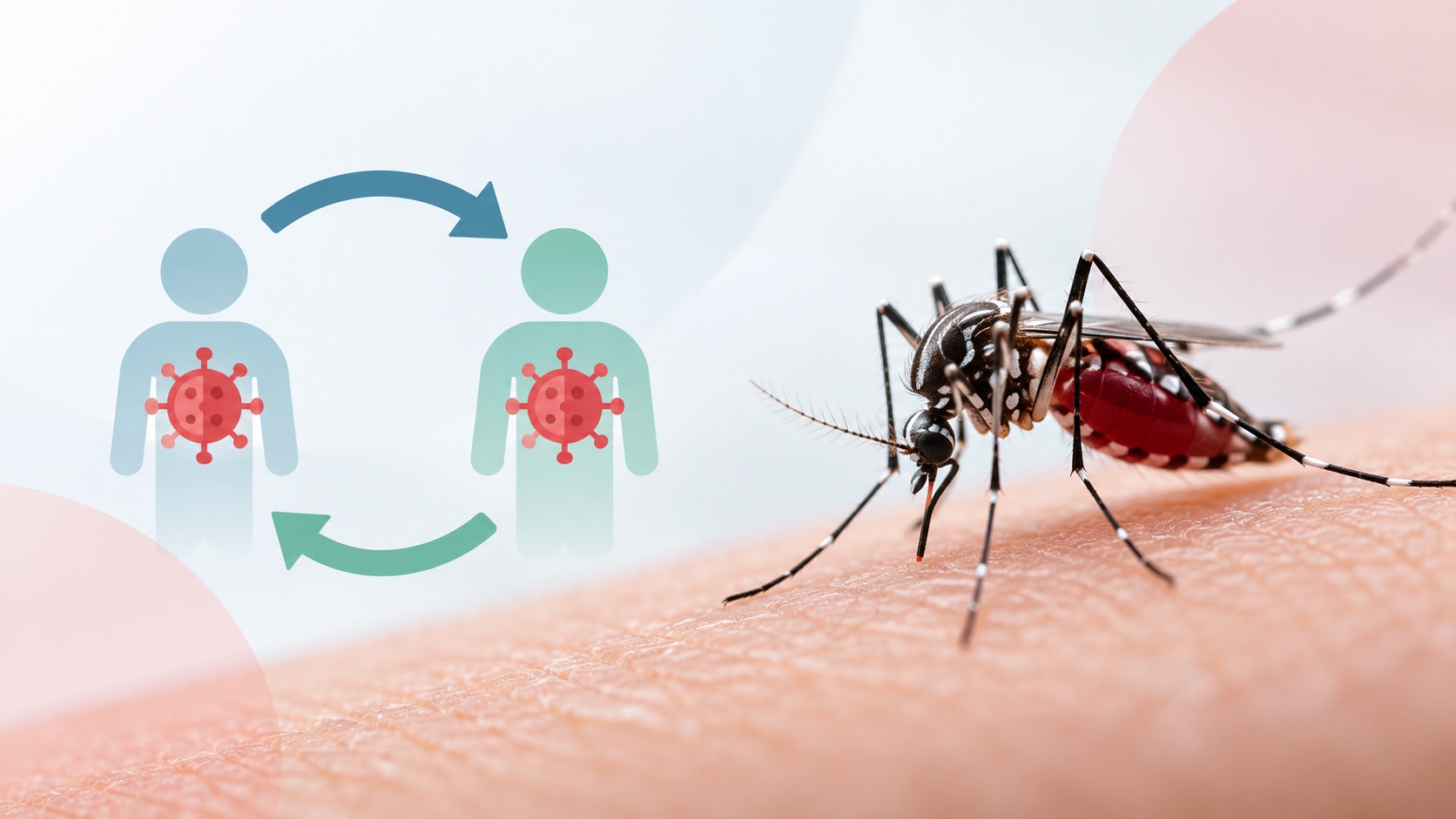
During the period when dengue virus is present in the blood, a mosquito can bite an infected person, acquire the virus and subsequently contribute to transmission after the virus develops within the mosquito.
CDC therefore recommends that people with dengue continue protecting themselves from mosquito bites, especially during the first week of illness.
Families should pay particular attention to mosquito control when someone in the household has dengue.
Frequently Asked Questions
Can dengue happen twice?
Yes. There are four dengue virus types. Infection with one generally provides long-lasting protection against that particular type but not permanent immunity against the other three.
Is dengue worse the second time?
A second infection with a different dengue virus type is associated with a higher risk of severe dengue, but this does not mean every second infection will be severe.
Can I get dengue again after one year?
Yes. Previous dengue does not provide lifelong protection against all dengue virus types.
Can dengue happen twice within a few months?
Another infection is biologically possible, although temporary cross-protection can occur after the first infection. A new compatible illness should not automatically be dismissed simply because the person recently had dengue.
Can dengue happen three times?
Yes. Multiple dengue infections are possible because four different dengue virus types can cause disease.
Does a positive dengue IgG mean I currently have dengue?
Not necessarily. IgG can indicate previous exposure. A single IgG result should not be used by itself to diagnose an acute dengue infection. The appropriate test depends partly on when symptoms began.
Can severe dengue happen during the first infection?
Yes. Although a second infection carries a higher risk, severe dengue can occur during the first or any subsequent infection.
The Bottom Line
Having dengue once does not mean you are permanently protected. Infection usually provides long-term immunity to the dengue virus type responsible for that episode, while protection against the other types is limited.
A later infection with another dengue virus type is therefore possible, and a second infection can carry a greater risk of severe dengue.
For people in Pakistan, where dengue is endemic and different virus types have circulated, a previous history of dengue should be a reason to remain vigilant—not a reason to ignore a new fever.
If dengue is suspected, particularly in someone who has had it before, watch carefully for warning signs and seek medical assessment rather than relying only on previous experience with the illness.