When Should You See a Cardiologist? Warning Signs, Risk Factors & What to Expect
Heart disease remains one of the leading causes of illness and death worldwide, but many cardiovascular conditions can be managed successfully when detected early. Unfortunately, many people ignore warning signs or assume that heart problems only affect older adults. In reality, high blood pressure, diabetes, obesity, smoking, and a family history of heart disease can increase the risk at almost any age.
Knowing when to see a cardiologist can help you receive timely diagnosis, appropriate treatment, and guidance on preventing future complications. Whether you are experiencing symptoms such as chest pain or simply want to understand your heart health better, consulting a heart specialist at the right time can make a significant difference.
In this guide, we’ll explain the common signs that indicate you should visit a cardiologist, the risk factors that shouldn’t be ignored, what to expect during your first appointment, and how regular heart checkups can help protect your long-term health.
Quick Answer
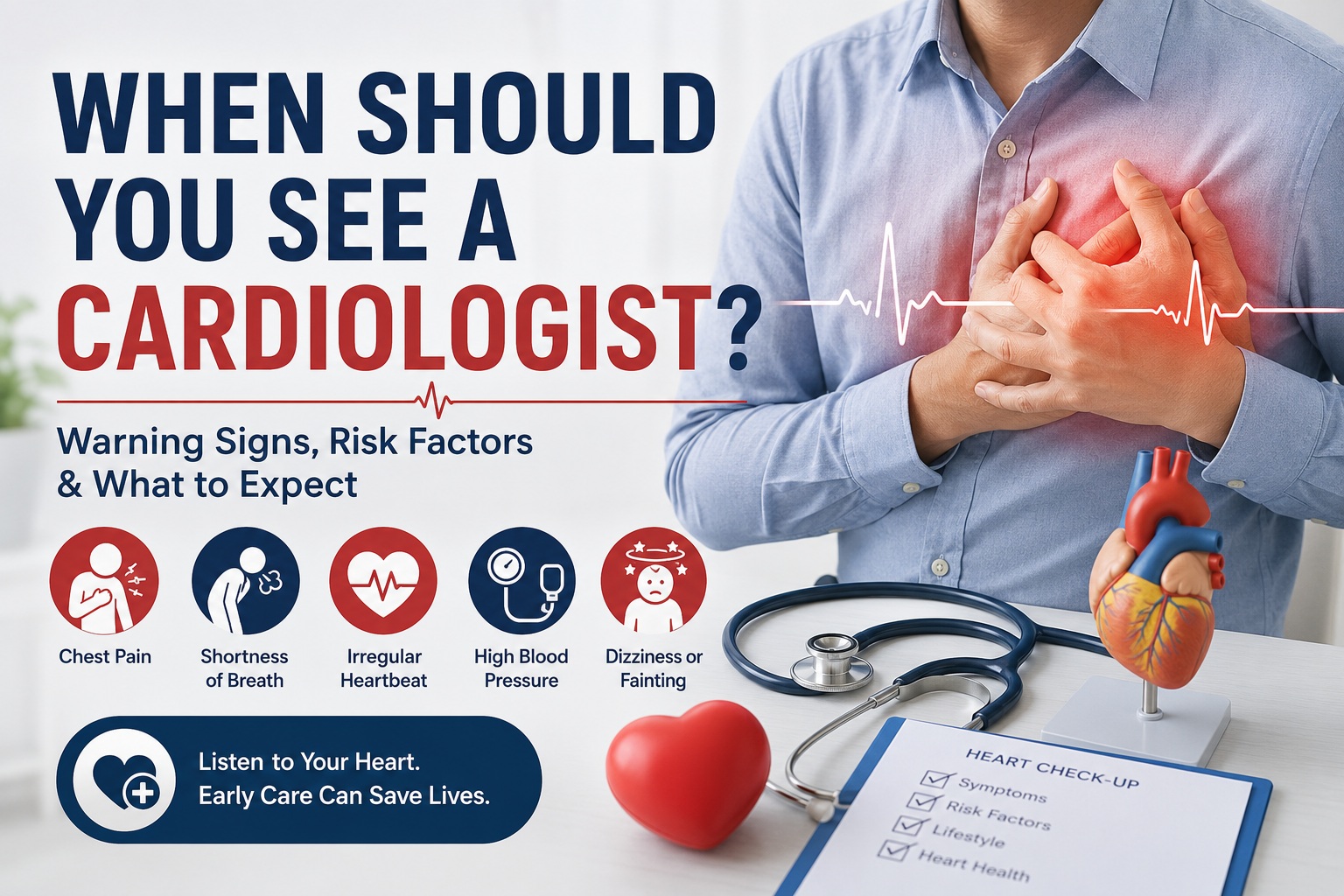
You should consider seeing a cardiologist if you experience chest pain, shortness of breath, irregular heartbeat, persistent high blood pressure, dizziness, fainting, unexplained fatigue, or swelling in your legs. People with diabetes, high cholesterol, obesity, smoking history, or a family history of heart disease may also benefit from a cardiac evaluation even if they have no obvious symptoms.
What Does a Cardiologist Do?
A cardiologist is a medical doctor who specializes in the diagnosis, treatment, and prevention of diseases affecting the heart and blood vessels. Their role extends beyond treating heart attacks—they also help patients manage chronic cardiovascular conditions and reduce their risk of future heart problems.
A cardiologist may diagnose and treat conditions such as:
- Coronary artery disease
- High blood pressure (hypertension)
- High cholesterol
- Heart failure
- Irregular heartbeat (arrhythmias)
- Heart valve disease
- Congenital heart disease
- Cardiomyopathy
- Peripheral artery disease
To evaluate your heart, a cardiologist may recommend tests including:
- Electrocardiogram (ECG)
- Echocardiogram (heart ultrasound)
- Exercise stress test
- Holter monitoring
- Ambulatory blood pressure monitoring
- Cardiac CT or MRI (when appropriate)
- Coronary angiography in selected cases
These investigations help determine how well your heart is functioning and identify any underlying cardiovascular disease.
Why Early Cardiology Evaluation Matters
Many serious heart conditions develop gradually over several years before noticeable symptoms appear. During this time, damage to the heart and blood vessels may continue silently.
Early evaluation offers several benefits:
- Identifies heart disease before complications occur.
- Helps control high blood pressure and cholesterol.
- Reduces the risk of heart attacks and strokes.
- Improves quality of life through early treatment.
- Allows patients to make lifestyle changes before permanent damage develops.
Even if you feel healthy, regular medical checkups become increasingly important as cardiovascular risk factors accumulate with age.
12 Signs You Should See a Cardiologist
Not every symptom indicates heart disease, but the following signs deserve medical attention, especially if they are persistent, severe, or occur together.
1. Chest Pain or Pressure
Chest discomfort is one of the most recognized warning signs of heart disease. Pain may feel like pressure, squeezing, heaviness, burning, or tightness in the center or left side of the chest.
Although chest pain can have many causes, any new or unexplained chest pain should be evaluated promptly by a healthcare professional.
2. Shortness of Breath
Difficulty breathing during routine activities or while lying flat may indicate that your heart is not pumping efficiently.
Shortness of breath may occur with:
- Heart failure
- Coronary artery disease
- Heart valve disorders
- Certain rhythm abnormalities
If breathing difficulty develops suddenly or is accompanied by chest pain, seek emergency medical care immediately.
3. High Blood Pressure That Remains Uncontrolled
High blood pressure often causes no symptoms, earning it the nickname “the silent killer.”
If your blood pressure remains elevated despite lifestyle changes or medication, a cardiologist can help determine the underlying cause and recommend appropriate treatment.
4. Irregular Heartbeat or Palpitations
Occasional skipped beats are common, but frequent racing, fluttering, pounding, or irregular heartbeats may indicate an arrhythmia that requires further evaluation.
Persistent palpitations should never be ignored, particularly if they occur alongside dizziness or fainting.
5. High Cholesterol
Elevated cholesterol levels increase the risk of plaque buildup inside arteries, reducing blood flow to the heart.
Patients with significantly elevated cholesterol or multiple cardiovascular risk factors may benefit from specialist assessment and long-term prevention strategies.
6. Dizziness, Fainting, or Loss of Consciousness
Feeling lightheaded occasionally may not always indicate a heart problem. However, repeated dizziness, unexplained fainting (syncope), or sudden loss of consciousness can sometimes result from abnormal heart rhythms or reduced blood flow to the brain.
These symptoms should never be ignored, particularly if they occur alongside:
- Chest pain
- Palpitations
- Shortness of breath
- Exercise or physical activity
A cardiologist may recommend tests such as an ECG, Holter monitor, or echocardiogram to identify the underlying cause.
7. Swelling in Your Legs, Ankles, or Feet
Persistent swelling of the lower limbs can sometimes indicate that the heart is not pumping blood effectively. This may occur in people with heart failure or other cardiovascular conditions.
Although swelling may also result from kidney disease, liver disease, or certain medications, it should be evaluated if it:
- Appears suddenly
- Affects both legs
- Is associated with breathlessness
- Worsens over time
8. Unexplained Fatigue
Everyone feels tired occasionally, but persistent fatigue that interferes with daily activities may sometimes signal an underlying heart problem.
People with heart disease often describe feeling exhausted after activities they previously handled easily, such as:
- Walking short distances
- Climbing stairs
- Carrying groceries
- Performing household chores
Fatigue alone does not confirm heart disease, but when combined with other symptoms, it deserves medical evaluation.
9. Diabetes
People living with diabetes have a significantly higher risk of developing cardiovascular disease.
High blood sugar can gradually damage blood vessels and increase the likelihood of:
- Coronary artery disease
- Heart attack
- Stroke
- Heart failure
Many healthcare professionals recommend regular cardiovascular risk assessments for individuals with diabetes, particularly if additional risk factors are present.
10. Strong Family History of Heart Disease
Genetics play an important role in cardiovascular health.
You may benefit from consulting a cardiologist if close family members developed heart disease at a relatively young age, especially:
- Father or brother before age 55
- Mother or sister before age 65
While you cannot change your family history, early screening and healthy lifestyle choices can help reduce your overall risk.
11. Previous Heart Attack or Stroke
Anyone who has previously experienced a heart attack, stroke, or undergone procedures such as angioplasty or bypass surgery should continue regular follow-up with a cardiologist.
Ongoing monitoring helps:
- Reduce the risk of another cardiovascular event.
- Optimize medications.
- Monitor heart function.
- Identify complications early.
Long-term follow-up is an important part of comprehensive cardiac care.
12. Heart Murmur or Known Heart Valve Disease
A heart murmur is an unusual sound heard through a stethoscope. While many murmurs are harmless, others may indicate problems involving one or more heart valves.
Your doctor may refer you to a cardiologist if a murmur is detected or if you have symptoms such as:
- Breathlessness
- Chest discomfort
- Fatigue
- Dizziness
- Swelling of the legs
Further evaluation often includes an echocardiogram to assess heart valve function.
Risk Factors That Increase Your Chances of Heart Disease
Even if you have no symptoms, certain factors significantly increase your likelihood of developing cardiovascular disease.
| Risk Factor | Can It Be Modified? |
|---|---|
| High blood pressure | ✅ Yes |
| High cholesterol | ✅ Yes |
| Diabetes | ✅ Often |
| Smoking | ✅ Yes |
| Obesity | ✅ Yes |
| Physical inactivity | ✅ Yes |
| Unhealthy diet | ✅ Yes |
| Excessive alcohol consumption | ✅ Yes |
| Chronic stress | ✅ Partly |
| Increasing age | ❌ No |
| Family history | ❌ No |
Having one risk factor does not necessarily mean you will develop heart disease. However, multiple risk factors together substantially increase cardiovascular risk and may justify a preventive consultation with a cardiologist.
When Should You Go to the Emergency Room Instead?
While many heart-related symptoms require a cardiology appointment, some situations demand immediate emergency medical attention rather than waiting for an outpatient consultation.
Seek emergency care immediately if you experience:
- Severe chest pain lasting more than a few minutes
- Crushing pressure in the chest
- Pain spreading to the jaw, neck, shoulder, or left arm
- Sudden severe shortness of breath
- Collapse or loss of consciousness
- Sudden weakness or numbness on one side of the body
- Difficulty speaking or understanding speech
- Sudden confusion
- Blue lips or fingertips
- Persistent severe palpitations accompanied by dizziness or fainting
These symptoms could indicate a heart attack, stroke, or another life-threatening cardiovascular emergency.
Do not attempt to drive yourself if you suspect a heart attack or stroke. Seek emergency medical assistance immediately.
What Happens During Your First Cardiology Appointment?
Visiting a cardiologist for the first time is usually straightforward and focused on understanding your symptoms, medical history, and overall cardiovascular health. The appointment helps the specialist determine whether additional tests, treatment, or lifestyle changes are necessary.
Depending on your condition, a typical consultation may include the following:
Medical History
Your cardiologist will ask questions about:
- Your current symptoms
- When the symptoms started
- How often they occur
- Your medical history
- Previous hospitalizations or surgeries
- Current medications
- Allergies
- Family history of heart disease
- Smoking, alcohol use, diet, and exercise habits
Providing accurate information helps the doctor identify possible risk factors and recommend appropriate investigations.
Physical Examination
A general examination may include:
- Blood pressure measurement
- Heart rate
- Oxygen saturation
- Listening to your heart and lungs with a stethoscope
- Checking for swelling in your legs or ankles
- Assessing circulation and pulses
Diagnostic Tests
Not every patient requires extensive testing. Based on your symptoms, the cardiologist may recommend one or more investigations, such as:
- Electrocardiogram (ECG)
- Echocardiogram (Echo)
- Exercise stress test
- Holter monitor
- Blood tests
- Chest X-ray
- CT coronary angiography or coronary angiography (when clinically indicated)
The purpose of these tests is to evaluate heart rhythm, blood flow, heart muscle function, and the condition of your heart valves and arteries.
Personalized Treatment Plan
After reviewing your symptoms and test results, your cardiologist may recommend:
- Lifestyle modifications
- Medications
- Further diagnostic testing
- Regular follow-up appointments
- Referral to another specialist if needed
- Cardiac procedures or surgery if appropriate
Many patients can effectively manage heart disease through medication, healthy lifestyle changes, and regular monitoring.
How to Prepare Before Visiting a Cardiologist
Preparing in advance can help make your consultation more productive.
Bring Your Medical Records
If available, carry copies of:
- Previous ECGs
- Echocardiogram reports
- Blood test results
- Chest X-rays
- CT scans
- Hospital discharge summaries
Having previous reports allows the cardiologist to compare changes over time and avoid unnecessary repeat testing.
Make a List of Your Medications
Include:
- Prescription medicines
- Over-the-counter medications
- Vitamins
- Herbal supplements
If possible, bring the medication packaging or a written list showing the dosage.
Record Your Symptoms
Before your appointment, write down:
- When symptoms occur
- How long they last
- What triggers them
- What relieves the
- Whether they occur during exercise or at rest
This information often helps identify patterns that may not be obvious during the consultation.
Know Your Family History
Inform your cardiologist if close relatives have had:
- Heart attacks
- Stroke
- High blood pressure
- High cholesterol
- Heart failure
- Sudden cardiac death
- Congenital heart disease
Family history is an important part of cardiovascular risk assessment.
Prepare Your Questions
Many patients forget important questions during their appointment. Writing them down beforehand can help you make the most of your visit.
Questions to Ask Your Cardiologist
Consider asking questions such as:
- What is causing my symptoms?
- Do I need additional tests?
- Is my condition temporary or long-term?
- What lifestyle changes would benefit my heart?
- Should I change my diet?
- Can I continue exercising?
- Are my medications safe to take long-term?
- How often should I have follow-up visits?
- What warning signs should prompt immediate medical attention?
- What can I do to reduce my future risk of heart disease?
Open communication helps you better understand your diagnosis and treatment plan.
Can Heart Disease Be Prevented?
While not every heart condition can be prevented, many cardiovascular diseases are strongly influenced by lifestyle choices and can be significantly reduced through healthy habits.
Steps that support heart health include:
- Eating a balanced diet rich in fruits, vegetables, whole grains, and lean proteins.
- Limiting foods high in saturated fat, trans fat, salt, and added sugar.
- Engaging in regular physical activity, as advised by your healthcare provider.
- Maintaining a healthy body weight.
- Quitting smoking and avoiding tobacco products.
- Limiting alcohol consumption.
- Managing stress through healthy coping strategies.
- Controlling blood pressure, cholesterol, and blood sugar levels.
- Taking prescribed medications as directed.
- Attending regular medical checkups, especially if you have cardiovascular risk factors.
Preventive care is often the most effective way to reduce the likelihood of serious heart disease and improve long-term health outcomes.
Find a Cardiologist in Peshawar
If you are experiencing symptoms of heart disease or simply want a preventive heart health assessment, consulting a qualified cardiologist can provide clarity and peace of mind.
At NamakMandi.pk, you can explore our directory of Cardiologists in Peshawar, compare specialists, review their qualifications, learn about their areas of expertise, and discover the hospitals and clinics where they practice. Whether you need a routine consultation, a second opinion, or specialized cardiac care, our directory is designed to help you make informed healthcare decisions with confidence.
Frequently Asked Questions
Do I need a referral to see a cardiologist?
This depends on your healthcare provider, insurance plan, or the hospital’s policy. Many private hospitals and clinics allow patients to book an appointment directly with a cardiologist, while some healthcare systems may require a referral from a general physician.
At what age should I start seeing a cardiologist?
There is no specific age at which everyone should visit a cardiologist. However, people with risk factors such as high blood pressure, diabetes, high cholesterol, obesity, smoking, or a family history of heart disease may benefit from earlier cardiovascular assessment. Your primary care doctor can help determine whether a specialist evaluation is appropriate.
Can young adults develop heart disease?
Yes. Although heart disease becomes more common with age, younger adults can also develop cardiovascular conditions. Smoking, obesity, uncontrolled diabetes, inherited heart disorders, high cholesterol, and unhealthy lifestyle habits may increase the risk even before middle age.
Is every chest pain related to the heart?
No. Chest pain can have many causes, including muscle strain, acid reflux, anxiety, lung conditions, and digestive disorders. However, because chest pain may also indicate a serious heart problem, it should never be ignored—especially if it is severe, persistent, or accompanied by shortness of breath, sweating, nausea, or pain radiating to the arm or jaw.
Can anxiety cause symptoms similar to heart disease?
Yes. Anxiety and panic attacks can sometimes cause chest discomfort, rapid heartbeat, shortness of breath, dizziness, and sweating. Since these symptoms can resemble heart-related conditions, medical evaluation may be necessary to determine the underlying cause.
Should people with diabetes see a cardiologist?
People with diabetes have a higher risk of developing cardiovascular disease. Depending on your age, overall health, and additional risk factors, your doctor may recommend periodic cardiovascular assessment even if you have no obvious symptoms.
How often should I have a heart checkup?
There is no single schedule that applies to everyone. The frequency depends on factors such as your age, medical history, cardiovascular risk, and existing health conditions. Individuals with known heart disease or multiple risk factors generally require more regular follow-up than healthy adults.
What tests might a cardiologist recommend?
The tests recommended depend on your symptoms and medical history. Common investigations include:
- Electrocardiogram (ECG)
- Echocardiogram
- Exercise stress test
- Holter monitoring
- Blood pressure monitoring
- Blood tests
- Cardiac CT or MRI in selected cases
- Coronary angiography when clinically indicated
Not every patient requires all of these tests.
What is the difference between a cardiologist and a cardiac surgeon?
A cardiologist specializes in diagnosing, treating, and preventing diseases of the heart using medications, lifestyle management, and non-surgical procedures. A cardiac surgeon performs operations such as coronary artery bypass surgery, heart valve repair or replacement, and other surgical procedures involving the heart and major blood vessels. Cardiologists may refer patients to cardiac surgeons when surgery is considered the most appropriate treatment.
Can heart disease be prevented completely?
Not all heart diseases can be prevented, particularly those related to genetics or congenital conditions. However, maintaining a healthy lifestyle, controlling blood pressure and cholesterol, managing diabetes, avoiding tobacco, exercising regularly, and attending routine medical checkups can significantly reduce the risk of many cardiovascular diseases.
Final Thoughts
Recognizing the warning signs of heart disease and seeking timely medical advice can make a significant difference in your long-term health. Symptoms such as chest pain, shortness of breath, persistent high blood pressure, irregular heartbeat, unexplained fatigue, dizziness, or swelling in the legs should not be ignored, particularly if you have risk factors like diabetes, smoking, obesity, or a family history of cardiovascular disease.
Early diagnosis allows many heart conditions to be managed more effectively through lifestyle changes, medication, regular monitoring, and, when necessary, specialized procedures. Even if you feel well, preventive heart health assessments may help identify problems before they become serious.
If you’re looking for experienced cardiologists in Peshawar, explore our directory on NamakMandi.pk to compare specialists, review their qualifications and areas of expertise, and find hospitals and clinics where they practice. Whether you need a routine heart checkup, a second opinion, or specialized cardiac care, our directory is designed to help you connect with trusted healthcare professionals in your area.
Medical Disclaimer
This article is intended for informational and educational purposes only and should not be considered medical advice. It is not a substitute for consultation, diagnosis, or treatment by a qualified healthcare professional. If you are experiencing severe chest pain, sudden shortness of breath, loss of consciousness, symptoms of a heart attack, or signs of a stroke, seek emergency medical care immediately. Always consult a qualified physician or cardiologist regarding any concerns about your heart health. memcite